Planning the trip
A Puerto Rico packing list that is actually about Puerto Rico
What to pack for Puerto Rico: reef-safe sunscreen, shoes for cobblestones and rainforest, rain layers, a power bank for outages, and what to leave at home.
You can buy almost anything you forget — this is a US territory with full-size supermarkets and pharmacies. What matters is the handful of items that are specific to this island: reef-friendly sunscreen, the cobblestones, the rainforest, and a power grid that still drops out. Pack for those and the rest is a beach holiday.
The six things people wish they had brought
- Mineral sunscreen. Choose a zinc oxide or titanium dioxide formula over one with oxybenzone, octinoxate or octocrylene — it is kinder to the reefs you will be swimming over. Bring enough, because reef-safe options are not always on the shelf when you need them.
- Shoes with grip. Old San Juan’s adoquín cobblestones are uneven and slippery in rain, and El Yunque’s boardwalks and rock are permanently wet. Flip-flops are not enough for either.
- A power bank and a small torch. Outages still happen. Neither is heavy and both turn an inconvenience into a non-event.
- A light rain shell. It rains most days somewhere, usually briefly. An umbrella is useless in the forest and in wind.
- Insect repellent with DEET or picaridin. Dengue circulates here. Dusk, mangroves and rainforest are when you will want it.
- A dry bag or waterproof phone pouch. For kayaks, boats, waterfalls and the walk back from the beach in a downpour.
Clothes
- Lightweight, breathable layers. It is warm year-round and humid nearly always.
- Swimwear — at least two sets, because one is never dry.
- A rash guard or long-sleeve sun shirt. Better than reapplying sunscreen all day and better for the reef.
- One smarter outfit. San Juan dresses up for dinner more than most beach destinations, particularly around Condado.
- A light jumper or long sleeves for two reasons: fierce indoor air conditioning, and genuinely cool evenings in the mountains.
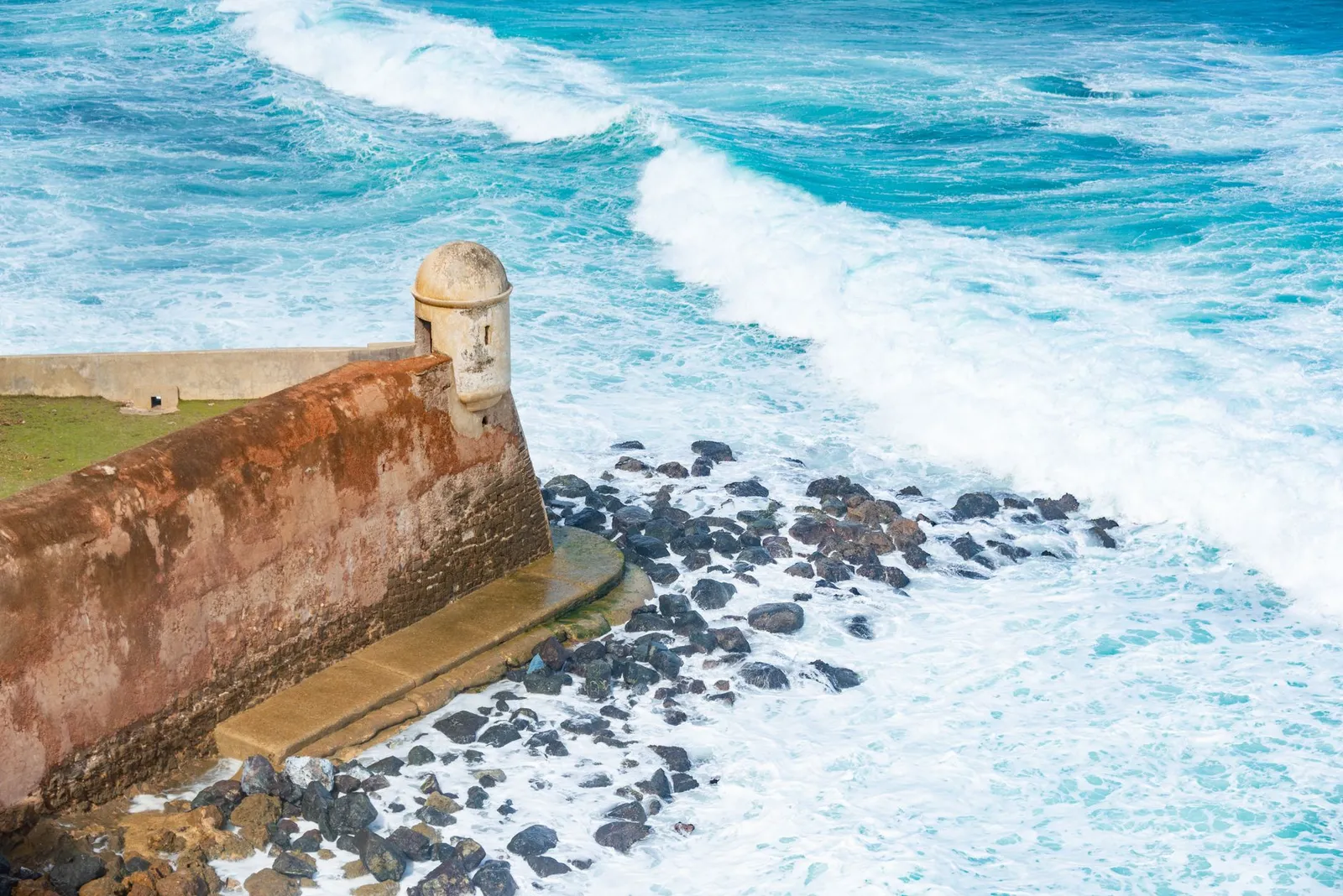
- A hat with a brim and sunglasses. There is no shade on the fort lawns.
- Quick-dry travel towel if you plan on river pools and remote beaches.
Footwear, by activity
- Old San Juan: trainers or sandals with a real sole and some grip.
- El Yunque: closed shoes you are willing to soak, or proper hiking sandals.
- Beaches with rocky entries (Escambrón, Crash Boat, Tamarindo): water shoes.
- Bio bay tours: sandals with a strap, because launch areas are muddy.
- Evenings: whatever you would wear out at home. Nothing here requires more.
Beach and water kit
- Snorkel and mask if you are going to Culebra, Rincón or Escambrón. Rental gear is not always available where the best snorkelling is.
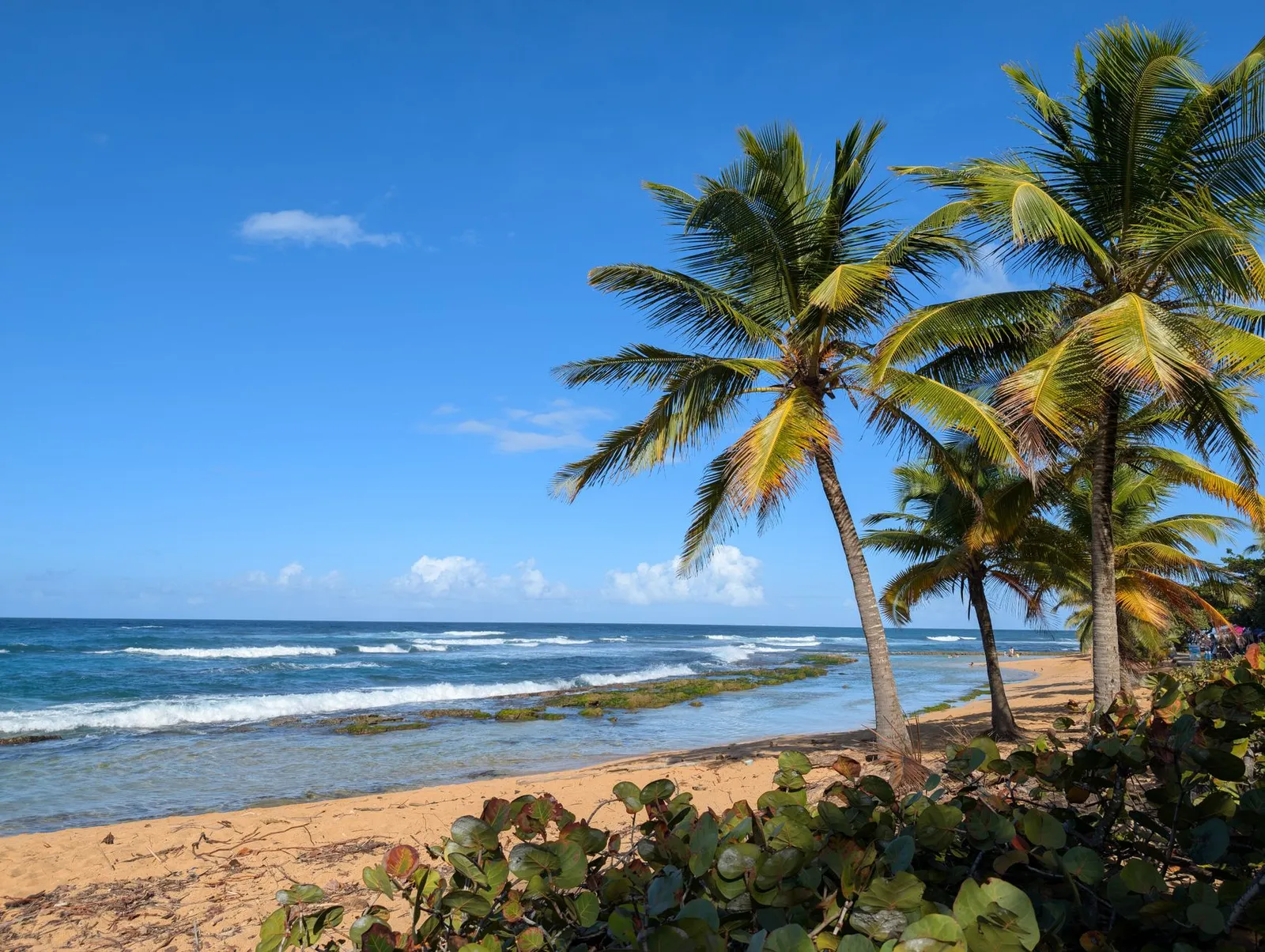
- A pop-up sunshade or beach umbrella if you have a car — shade is scarce on most beaches.
- A cool bag. Kiosks and supermarkets make a beach picnic easy.
- Reusable water bottles. Tap water is generally safe and it is hot.
- A mesh bag for wet, sandy things.
- Motion sickness tablets for the Vieques and Culebra ferries and any catamaran day.
Documents, money and tech
- US citizens need no passport — a compliant government ID is enough for the domestic flight. Visitors from elsewhere follow normal US entry rules.
- Driving licence if you are renting a car, plus the card you booked with.
- Cash in small bills for kiosks, beach parking, tips and the offshore islands.
- No travel adapter needed: US plugs and 120V.
- Download offline maps. Mountain signal is unreliable and some beach roads are not where the map thinks.
- Screenshots or printouts of your ferry and tour bookings, in case there is no signal where you need them.
Health and small comforts
- After-sun or aloe. You will use it.
- Any prescriptions in their original packaging; pharmacies here are well stocked for everything else.
- Basic first aid — plasters for new sandals and cobblestones, antihistamine, rehydration sachets.
- Earplugs if you are staying near a plaza. Weekend nights in Santurce and Old San Juan are lively by design.
- A carrier rather than a stroller for a baby, if Old San Juan is on the list.
Packing by season
December to April — the dry season
The most reliable sunshine and the coolest evenings. Pack a light layer for the mountains and for breezy evenings on the coast, and expect bigger surf on the north shore — a snorkel earns its space on the south and west coasts rather than the north.
May to August
Hotter and more humid, with calmer water on the north coast and the best snorkelling conditions there. More sunscreen, a rash guard, an extra swimsuit, and repellent for the evenings.
September to November — the wet end
The quietest and cheapest months, and the peak of hurricane season. Bring the rain shell you might otherwise skip, keep your insurance documents to hand, and watch the forecast in the week before you fly.
If you forget something
This is a US territory with full-size supermarkets, pharmacy chains and hardware stores stocking the same brands you use at home. Sunscreen, a charger, a beach umbrella, a swimsuit — all replaceable within a short drive of anywhere you are likely to be staying.
The exceptions are the things that are genuinely hard to replace on a holiday: prescription medication in its original packaging, a mask that actually fits your face, and anything you need on the first morning before the shops open.
What to leave at home
- Chemical sunscreen with oxybenzone or octinoxate — a zinc or titanium dioxide formula is kinder to the reefs you will swim over.
- Hiking boots. Too hot and too heavy; trail shoes are enough for everything in El Yunque.
- Heavy rain gear. The showers are warm and brief.
- Too many clothes. Most rentals have a washing machine, which is worth more than a second suitcase.
- A travel adapter, for the third time, because people always pack one.
Packing for the trip you are actually taking
- City only: walking shoes, one smart outfit, a day bag, sunscreen. Old San Juan and Condado need nothing more.
- Rainforest and coast: add the rain shell, water shoes, dry bag and repellent, and consider basing yourself in Luquillo.
- Offshore islands: add snorkel gear, cash, motion sickness tablets and everything you would need on a beach with no facilities.
- With children: add the carrier, the sunshade, spare swimwear and a stock of snacks for the drives. The family guide has the rest.
- Working remotely: add a laptop stand, an ethernet adapter and a UPS-friendly attitude — see the remote work guide.
Common questions
What should I not bring to Puerto Rico?
Sunscreen with oxybenzone, octinoxate or octocrylene (a mineral one is kinder to the reefs); heavy rain gear; hiking boots; and a travel adapter, since plugs and voltage are the same as the US mainland.
Do I need bug spray in Puerto Rico?
Yes. Dengue circulates on the island and mosquitoes are active around dusk, mangroves and the rainforest. Bring repellent with DEET or picaridin.
What kind of shoes do I need?
Something with grip for Old San Juan’s cobblestones, closed shoes you can soak for El Yunque, and water shoes for rocky beach entries. Flip-flops are for the sand and not much else.
Where to stay
Homes near everything in this guide
Keep reading