Planning the trip
What a Puerto Rico vacation actually costs
An honest breakdown of what drives the cost of a Puerto Rico trip — season, lodging, car, food and tours — and the levers that genuinely lower it.
Any article that hands you a single daily number for Puerto Rico is guessing, because the same week can cost wildly different amounts depending on four decisions you make before you book anything. Here is what those decisions are, what each one is worth, and where the money actually goes once you are on the island.
The four decisions that set your budget
- When you go. The dry season from roughly mid-December to mid-April is the busiest and the most expensive, and the holiday weeks inside it are the peak of the peak. Late spring and autumn are quieter and cheaper; autumn carries hurricane-season risk.
- Whether you rent a car. A car unlocks the rainforest, the west coast and the best beaches. If you are staying in San Juan the entire time, skipping it removes the rental, the fuel, the tolls and the parking in one go.
- How many of you there are. A three-bedroom home for six costs far less per person than three hotel rooms, and it comes with a kitchen and a washing machine.
- Where you book. The identical home listed on a platform carries a markup over booking direct — around 19% on Airbnb, 23% on Vrbo and 20% on Booking.com. On a week, that alone is often the largest single saving available to you.
Where the money goes
Flights
Puerto Rico is a domestic flight from the US mainland, with no passport required for US citizens, which keeps competition healthy on the major routes. Fares follow the same season curve as everything else: the dry season and the holidays are dear, September and October are not.
Lodging
The biggest line for most trips, and the most variable. Nightly rates move with season, size, how close to the sand you are, and how far ahead you book. Weekly and monthly stays usually attract a lower nightly rate — if you are staying seven nights or more, look for the longer-stay pricing rather than assuming.
The car
Rental, fuel — sold by the litre here — tolls, and parking. Tolls on the main motorways are collected electronically through AutoExpreso; rental companies supply a transponder and charge a daily administration fee for it, so ask what that fee is when you pick the car up. In Old San Juan, factor in a garage: street parking is scarce and mostly residential.
Food
This is the line you control most directly. Kiosks and bakeries cost a fraction of restaurant dining and are often better. A home with a kitchen lets you shop at the big local supermarkets and eat out when you actually want to, rather than three times a day by default.
Activities
The expensive ones are guided: bioluminescent bay tours, catamaran trips, ziplines, diving. The cheap ones are the best-known things on the island. Entry to both Old San Juan forts is one National Park Service ticket valid for 24 hours, with under-16s free, and entry to El Yunque’s main corridor is free, with no reservation needed as of 2026.
What costs nothing
- Every beach on the island, including the sand in front of the hotels — beaches are public to the high-water line.
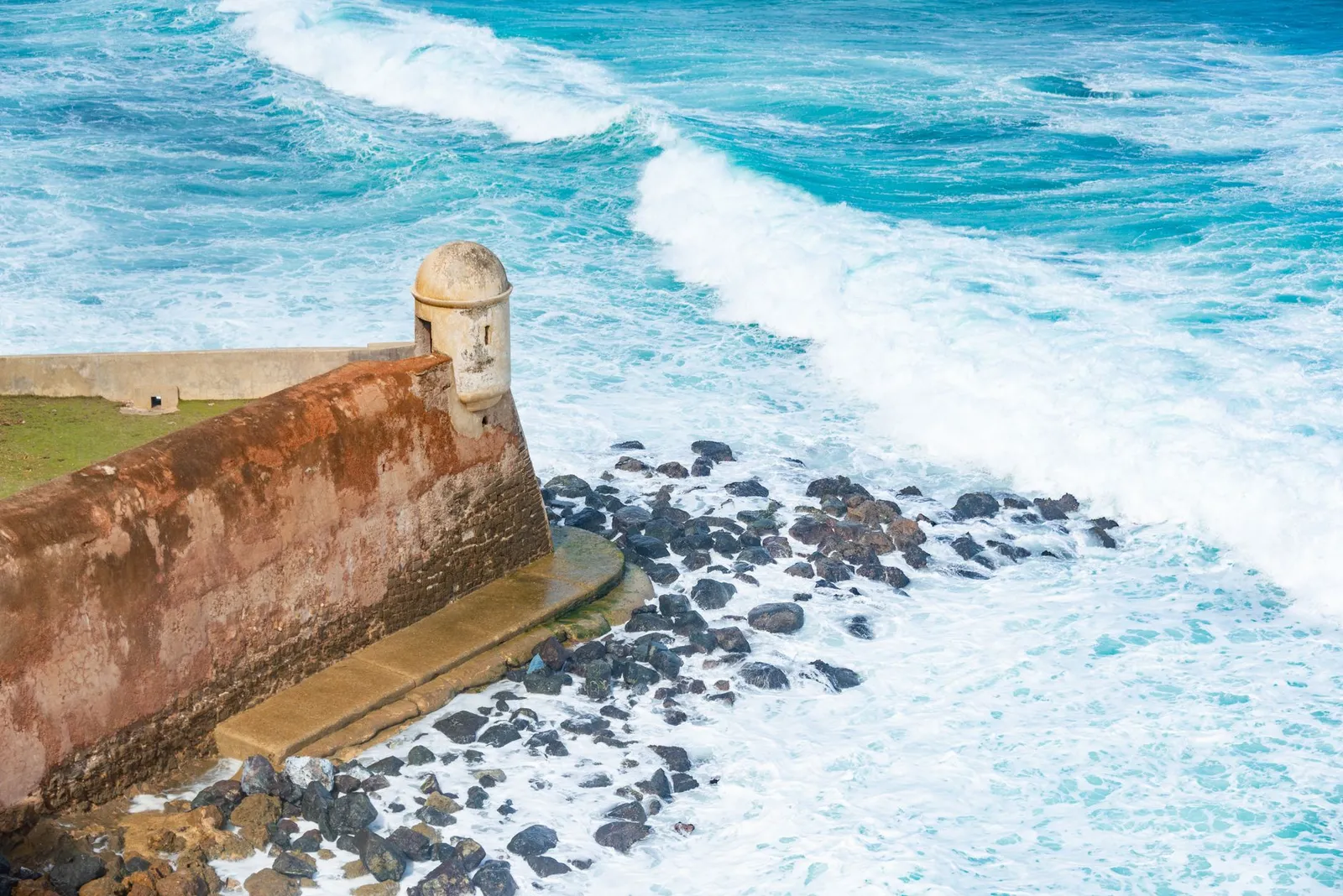
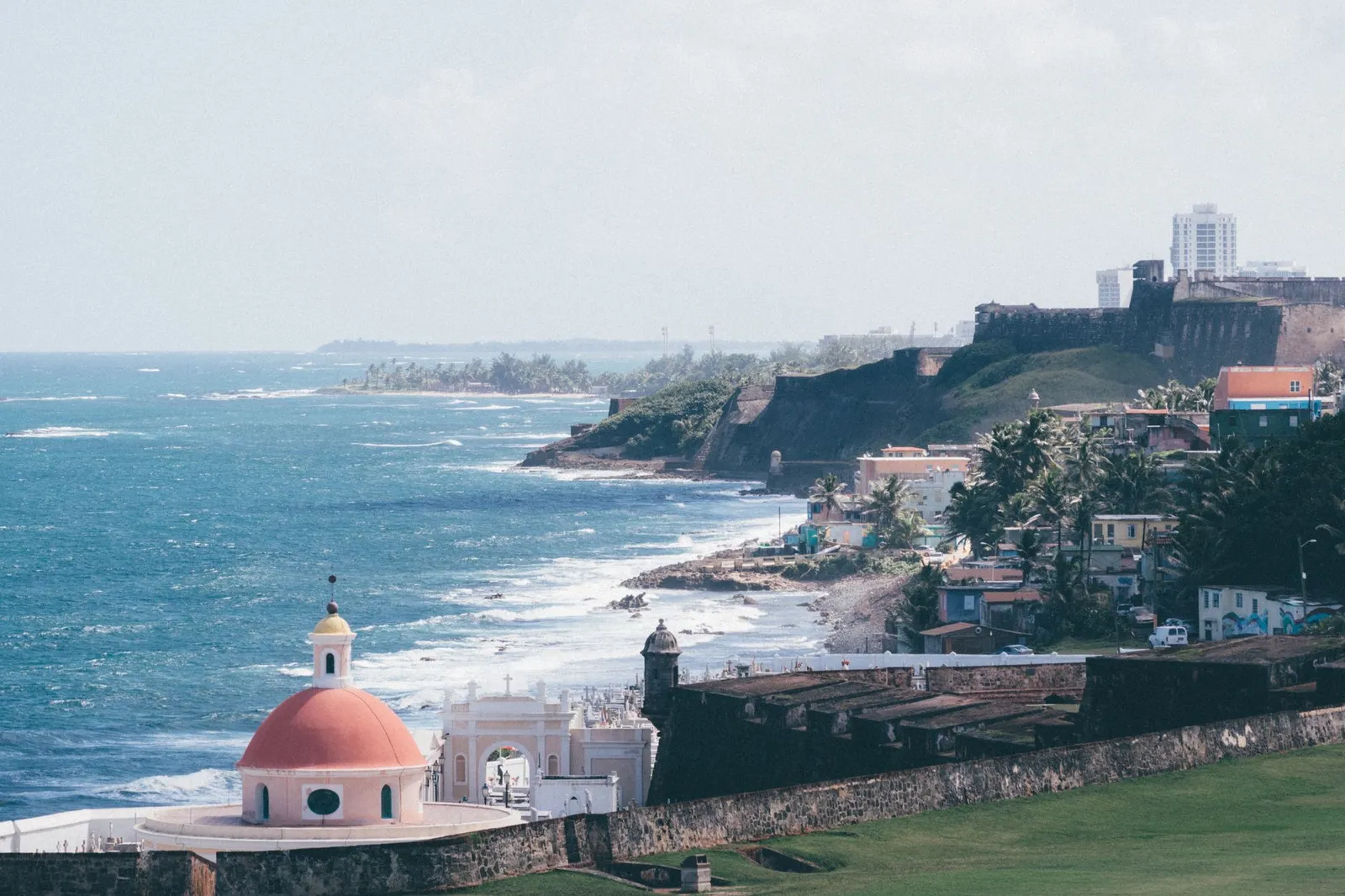
- The Paseo del Morro and the Paseo de la Princesa along the city walls.
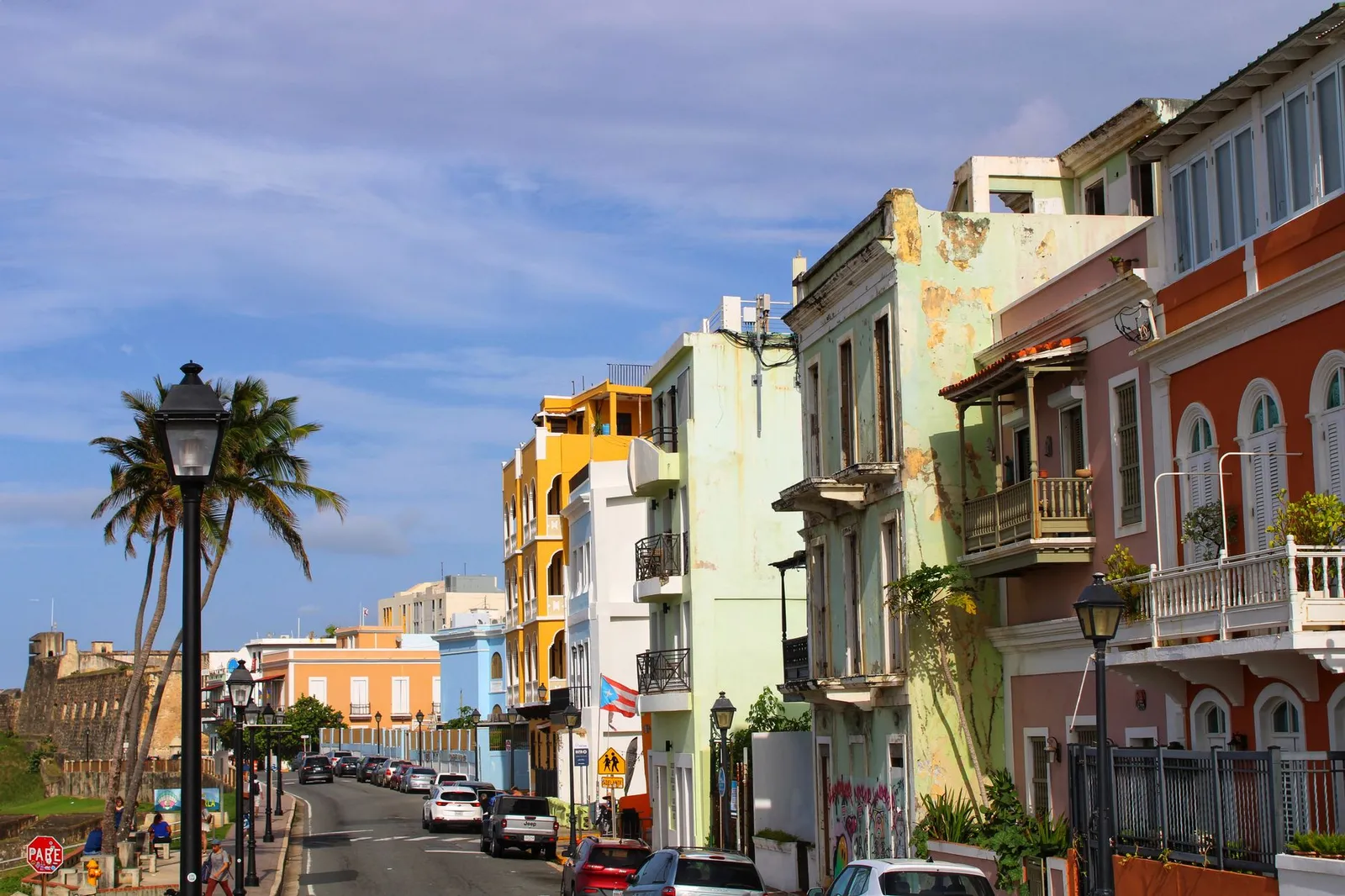
- The plazas, the cathedral, and walking the whole of Old San Juan.
- The murals of Santurce es Ley and the street art around La Placita.
- The Piñones coastal bike path, and the roadside stops in El Yunque, where the main corridor is free to enter.
- Sunsets on the west coast, and the coquí at dusk everywhere.
Seven ways to spend less without a worse trip
- Book direct. The same home, the same host, without the platform margin.
- Travel in the shoulder. Late April to June, and November, give you dry-season weather most days at quieter prices.
- Stay longer in fewer places. Two bases beat five, and longer stays price better per night.
- Cook two meals a day, eat out for one. With a kitchen and a supermarket run this is easy and is usually the single biggest on-island saving.
- Eat at kiosks. Piñones, Luquillo and the lechoneras at Guavate are cheaper and more memorable than most restaurant meals.
- Skip the car for the city days. Rent it for the days you leave town and let the rideshare handle the rest.
- Pick the free headline acts. The forts, the wall walks, the beaches and the rainforest roadside stops are the things people remember anyway.
Where the extra money is worth it
Three things justify their cost on almost every trip: a bioluminescent bay tour on a dark night, a day on Vieques or Culebra, and a home with enough space that your group is not living on top of each other. Everything else is negotiable.
Everything else you can decide once you are here, which is easier when you have not spent the budget before you land.
Seeing real numbers
Rather than publish a made-up daily figure that will be wrong for your dates, every home on this site shows its live nightly rate, its cleaning fee and its minimum stay, and the total updates when you put in real dates. What you see is the direct rate — the base, with no platform margin on top.
Start from the full collection, or narrow by area first: Old San Juan, Santurce, Condado, Luquillo and Dorado all price differently for the same week.
Common questions
Is Puerto Rico expensive?
It sits in the middle of the Caribbean range, and it is cheaper than most island destinations for US travellers because there is no international airfare and no currency exchange. Lodging and tours are the big levers; beaches, forts and walking cost little or nothing.
What is the cheapest time to visit Puerto Rico?
Late spring through autumn, with September and October the quietest and cheapest. That window overlaps the peak of hurricane season, so build in flexibility and consider travel insurance.
Do I need cash in Puerto Rico?
Cards work nearly everywhere in the metro area, but carry cash for kiosks, small vendors, beach parking and the offshore islands, where ATMs are few and sometimes empty.
Where to stay
Homes near everything in this guide
Keep reading