City and culture
Things to do in Puerto Rico, sorted by where they are
Forts, rainforest, bio bays, caves, surf towns and mountain coffee country — what to do in Puerto Rico, grouped by region so you can plan the driving.
Most lists of things to do in Puerto Rico are sorted by how impressive they sound, which is useless when you have a car and a week. This one is sorted by region, because the practical question is never "is this good" — it is "what else is near it".
San Juan and the metro area
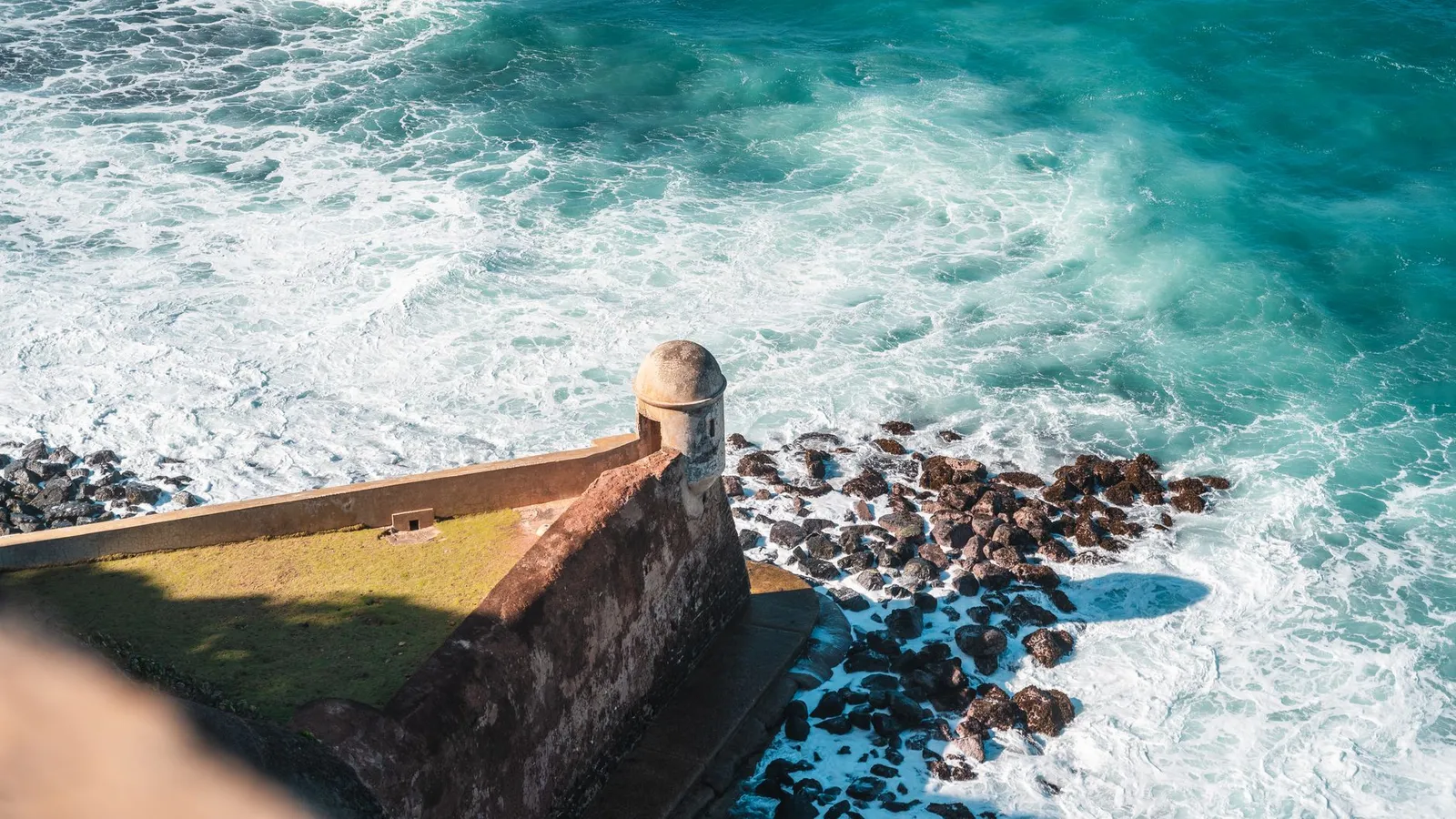
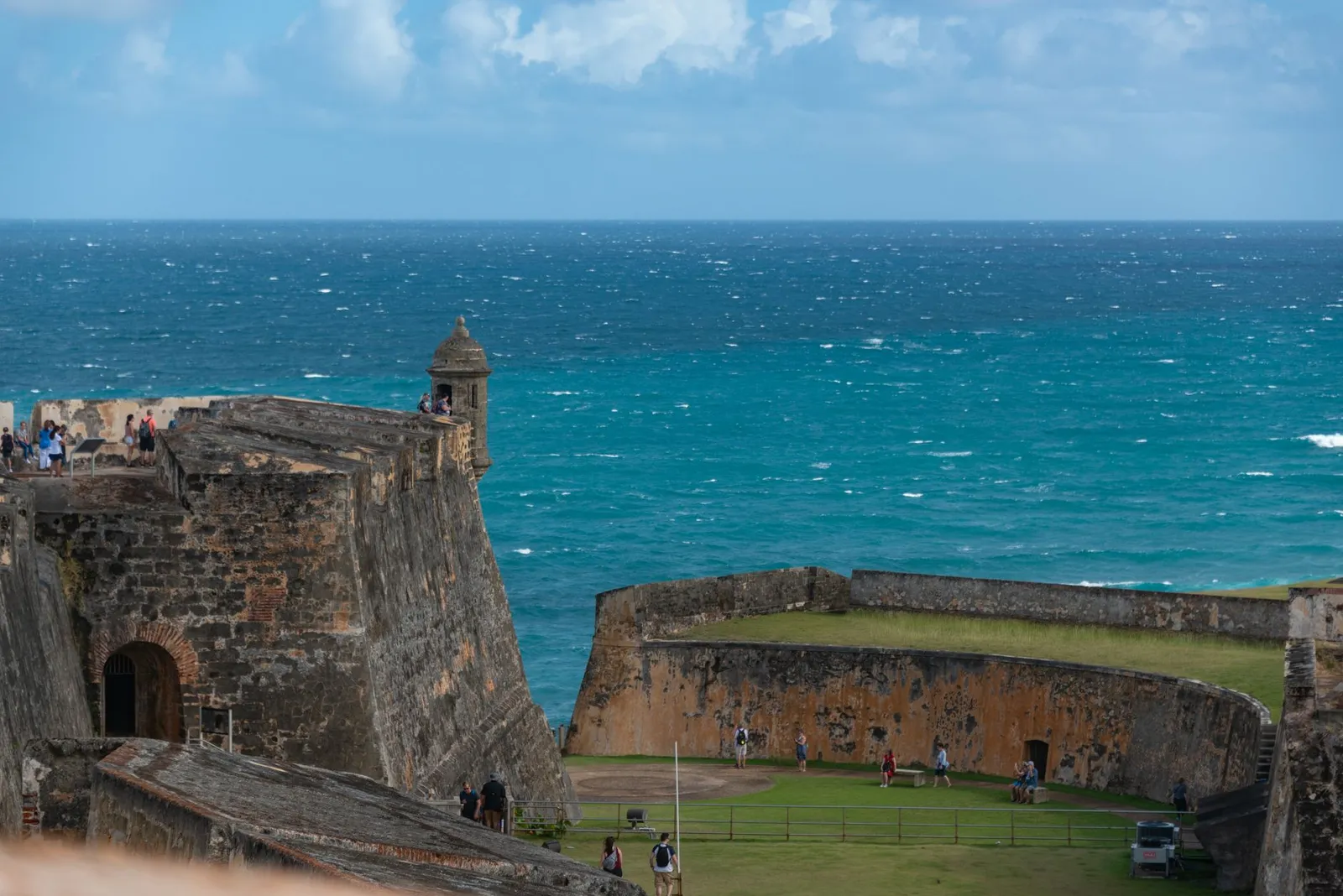
- Castillo San Felipe del Morro — the six-level fort on the headland, with the sentry boxes that turn up on every postcard. One National Park Service ticket covers it and San Cristóbal for 24 hours.
- Castillo San Cristóbal — larger than El Morro and built to defend the city from a land attack; the tunnels and dry moat are the part people remember.
- Paseo del Morro — a flat, free walk along the outside of the city wall to the red Puerta de San Juan, with iguanas and fishermen for company.
- Catedral de San Juan Bautista — Ponce de León is buried inside.
- Museo de Arte de Puerto Rico — the island’s largest art museum, in Santurce, with a sculpture garden behind it.
- Santurce es Ley murals — street art at building scale, best seen on foot in the blocks around La Placita.
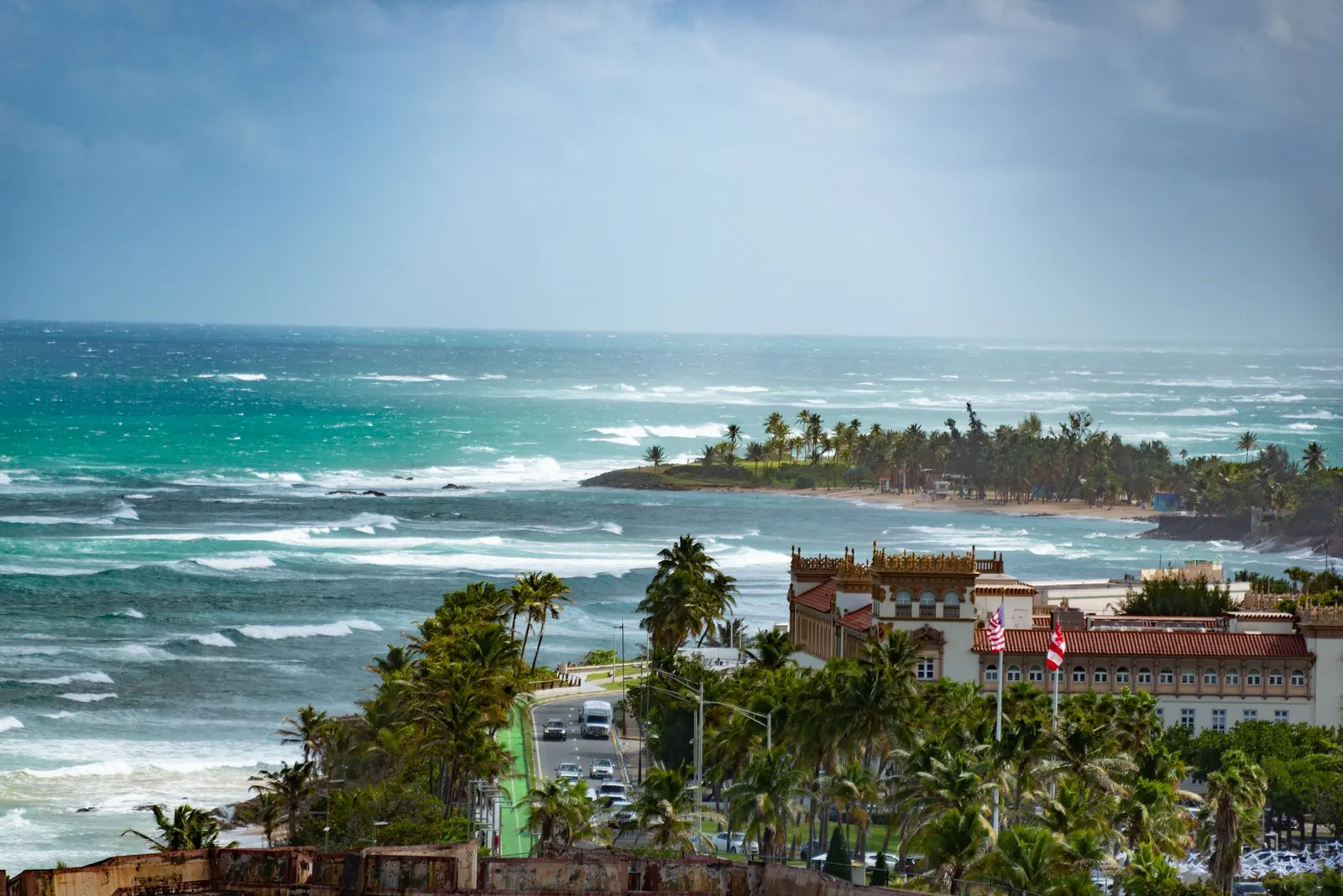
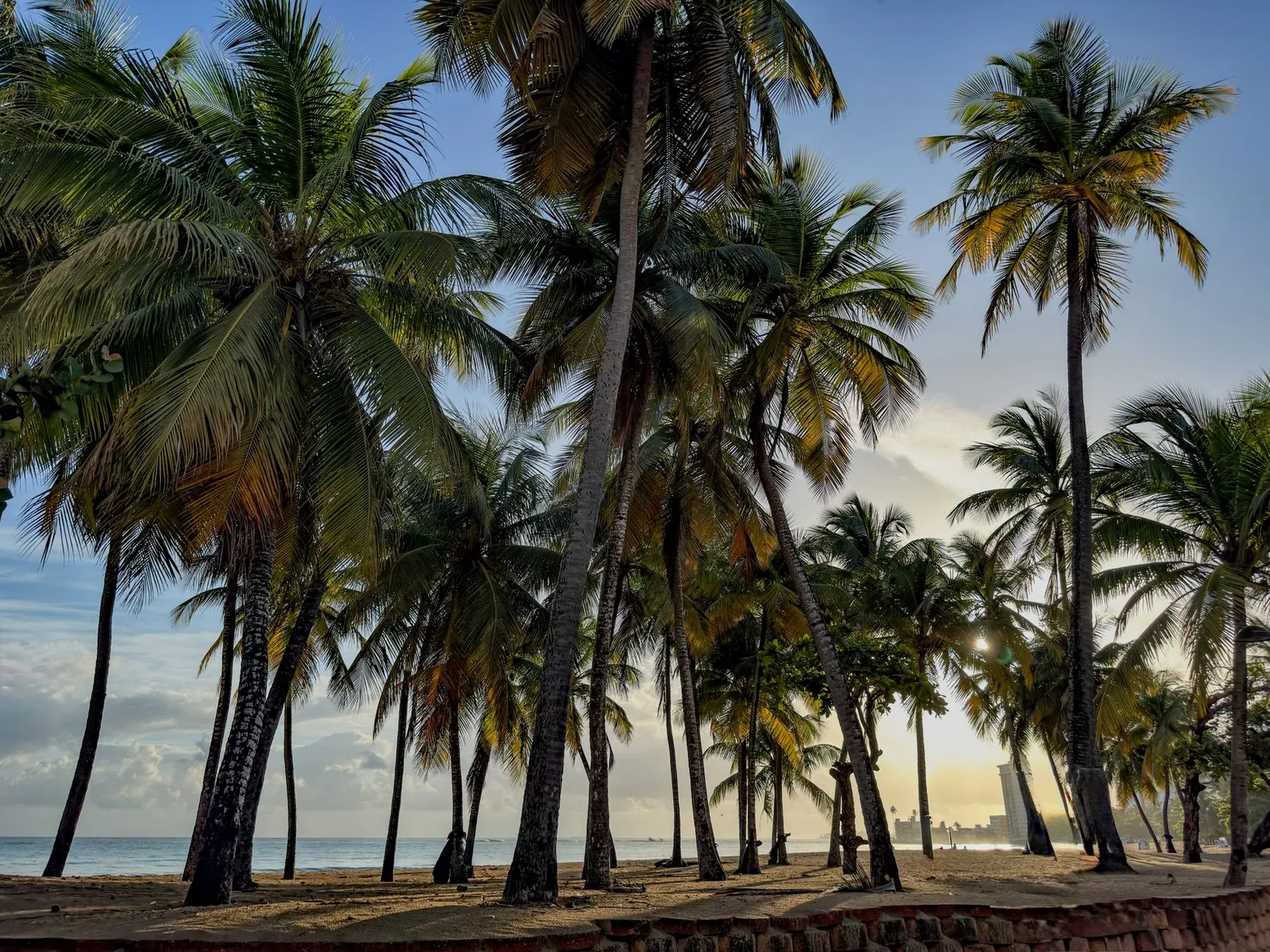
- Balneario El Escambrón — the calmest swimming and the best snorkelling inside the city, with lifeguards and parking.
Old San Juan deserves a full day on its own — the walking guide sets out a route that does not double back.
The east — rainforest, kiosks and dark water
El Yunque National Forest is the headline, and the only tropical rainforest in the US National Forest System. Entry to the main PR-191 corridor is free and, as of 2026, needs no reservation (check the Forest Service page before you go — that has changed before); the Angelito trail off PR-988 sits outside the corridor. Full detail in the El Yunque guide.
Los Kioskos de Luquillo — dozens of kiosks in a row beside the beach road, from fried snacks to full plates, and one of the easiest good meals on the island.
Laguna Grande, Fajardo — the bioluminescent lagoon you reach by kayak through a mangrove channel. Book a dark night.
Seven Seas and the cays — a sheltered public beach, and catamaran trips out to the small islands off the coast for snorkelling.
Piñones — open-air kiosks and a coastal bike path along PR-187, immediately east of the airport. Crab alcapurrias, wood smoke, no resorts.
The offshore islands
Vieques and Culebra are their own trip rather than a side trip, and the island guide covers the ferries properly. The short version:
- Mosquito Bay, Vieques — the brightest bioluminescent bay in the world, and the single most memorable thing on this list.
- Flamenco Beach, Culebra — a wide horseshoe of white sand with a pair of rusting tanks at one end, regularly named among the best beaches anywhere.
- Playa Caracas and La Chiva, Vieques — former Navy land, now wildlife refuge beaches with almost no facilities and almost no people.
The west and the southwest
- Rincón — the surf capital: Domes, Sandy Beach, Steps and the Tres Palmas Marine Reserve. Humpback whales pass offshore from roughly January to March.
- Isabela and Aguadilla — Jobos, Shacks and Crash Boat, plus the Pozo de Jacinto blowhole on the cliffs.
- Playa Sucia (La Playuela) and Los Morrillos lighthouse, Cabo Rojo — the cliffs at the island’s southwest corner, with the salt flats and their pink water on the way in.
- Bosque Estatal de Guánica — a subtropical dry forest and UNESCO biosphere reserve, and a genuine shock after the rainforest: cactus, scrub and a hard blue sky.
- La Parguera, Lajas — the third bioluminescent bay, and the only one where swimming is allowed.
The west coast is also where the sun sets over water. The north coast faces the wrong way, which surprises people on their last evening.
The south
Ponce, the second city, is built around Plaza Las Delicias and the red-and-black striped Parque de Bombas firehouse. Around it are the Tibes Indigenous Ceremonial Center, the Castillo Serrallés mansion above the city, and Hacienda Buena Vista, a restored 19th-century coffee estate that runs on advance reservations.
Offshore, Caja de Muertos is a reserve island reached by boat from the Ponce waterfront. Inland, Coamo has hot springs, and the Ruta Panorámica climbs from here into the mountains.
The mountains and the karst country
- Toro Verde, Orocovis — the adventure park with one of the longest ziplines in the world.
- Cerro de Punta — the island’s highest peak, reached from the Ruta Panorámica near Jayuya.
- Coffee country — Adjuntas, Jayuya, Utuado, Yauco and Maricao. Several haciendas run tours by reservation; the coffee is the reason Puerto Rican beans were a luxury export long before they were a souvenir.
- Caguana Ceremonial Park, Utuado — Taíno ball courts and petroglyphs, set among ceiba trees.
- Río Camuy caves — a huge river-cut cave system in the karst belt. Access has varied since the 2017 hurricanes, so check the park’s current status before making the drive.
- Arecibo — the great radio telescope collapsed in 2020 and the dish is gone; the site still runs as a science visitor centre, so go for that rather than for the photograph you have seen.
Things that are not places
Chinchorreo — the weekend habit of driving between roadside chinchorros, eating a little at each. The lechoneras along PR-184 at Guavate are the most famous version of it, busiest on a Sunday.
Bomba and plena — Afro-Puerto Rican drum and dance traditions, strongest in Loíza, where the Festival de Santiago Apóstol takes over the town in late July.
The Christmas season — it starts after Thanksgiving and does not finish until Las Fiestas de la Calle San Sebastián fill Old San Juan in the middle of January. It is the best and busiest time to be here.
And the one no one plans: the coquí. The tree frog that starts calling at dusk is on the coat of arms of the island in spirit if not in fact, and it is the sound you will remember.
Common questions
What is the one thing you should not miss in Puerto Rico?
A bioluminescent bay on a dark night. There are only a handful of consistently bright ones anywhere in the world and Puerto Rico has three, including Mosquito Bay on Vieques, which is the brightest.
Can you do El Yunque and a bio bay on the same day?
Yes, and it is a common pairing — the rainforest in the morning, Fajardo in the evening. It makes for a long day, so plan a slow one after it.
Is the Arecibo Observatory still open to visitors?
The 305-metre telescope collapsed in December 2020 and has not been rebuilt. The site operates as a science and visitor centre, so go for the exhibits rather than expecting to see the dish.
Where to stay
Homes near everything in this guide
Keep reading