Planning the trip
A seven-day Puerto Rico itinerary that actually works
A realistic 7-day Puerto Rico itinerary: Old San Juan, El Yunque, a bioluminescent bay, the east coast beaches and the west, with the driving worked out.
Seven days is enough to see Puerto Rico properly if you stop trying to see all of it. The island is roughly 100 miles across, but the mountains in the middle mean you rarely drive in a straight line, and an hour on the map is often ninety minutes in real life. This plan splits the week into two bases so you unpack twice instead of five times.
How to think about the week
The island divides neatly into a metro half and an out-of-town half. San Juan holds the history, the food and the nightlife, and you can do it without a car. Everything else — the rainforest, the bio bays, the west coast surf towns, the offshore islands — needs one.
The version below bases you in San Juan for four nights and moves you east or west for three. If you would rather not move at all, the whole thing still works as day trips from the city; you just add an hour of driving to a few of the days.
Day 1 — land, and walk the old city
Most flights land at Luis Muñoz Marín (SJU) in the afternoon. Do not schedule anything ambitious. Drop bags, then spend the evening in Old San Juan, which is at its best after the cruise passengers have gone back aboard.
Walk Calle Fortaleza and Calle del Cristo, look into the courtyards, finish at Plaza de Armas or Plaza Colón. If you want one drink with a view, the streets that run downhill toward the bay catch the last of the light.
Eat late. Dinner at nine is normal here and the kitchens are not winding down at eight the way they do in much of the mainland US.
Day 2 — the forts, then Santurce
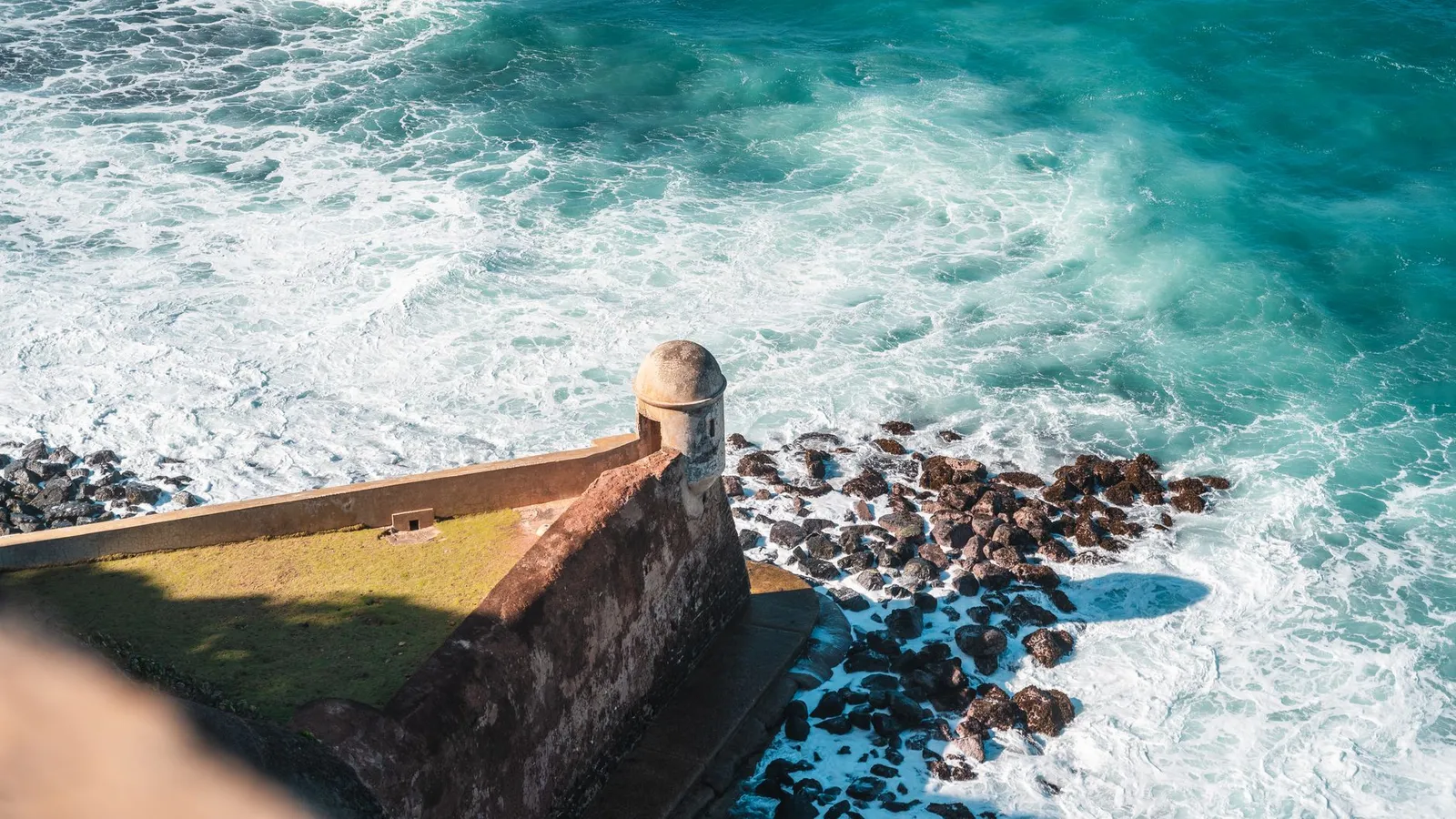
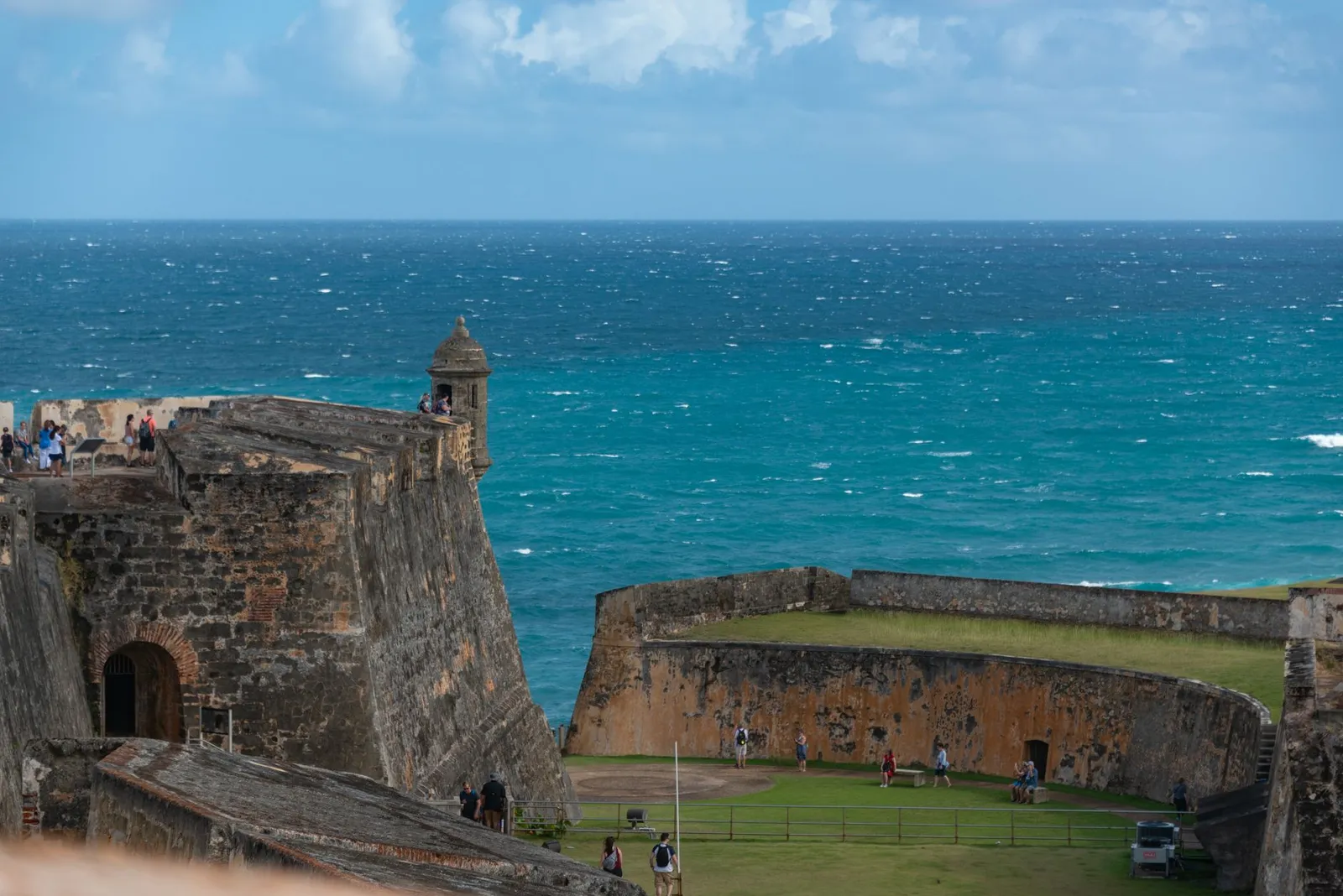
Start at Castillo San Felipe del Morro early, while the lawn is still empty and the wind off the Atlantic is doing the work of air conditioning. One National Park Service ticket covers both El Morro and Castillo San Cristóbal for 24 hours, so see the second one the same day or first thing tomorrow. Under-16s go free.
Walk the Paseo del Morro along the base of the city wall afterwards — it runs below the ramparts to the red-painted Puerta de San Juan and it is free, flat and almost always breezy.
In the evening, move inland to Santurce. La Placita is a produce market in daylight and one of the busiest squares in the Caribbean after dark on a weekend. The murals of the Santurce es Ley project cover whole building faces in the blocks around it, and Calle Loíza is where the newer kitchens have clustered.
Day 3 — El Yunque and the Luquillo kiosks
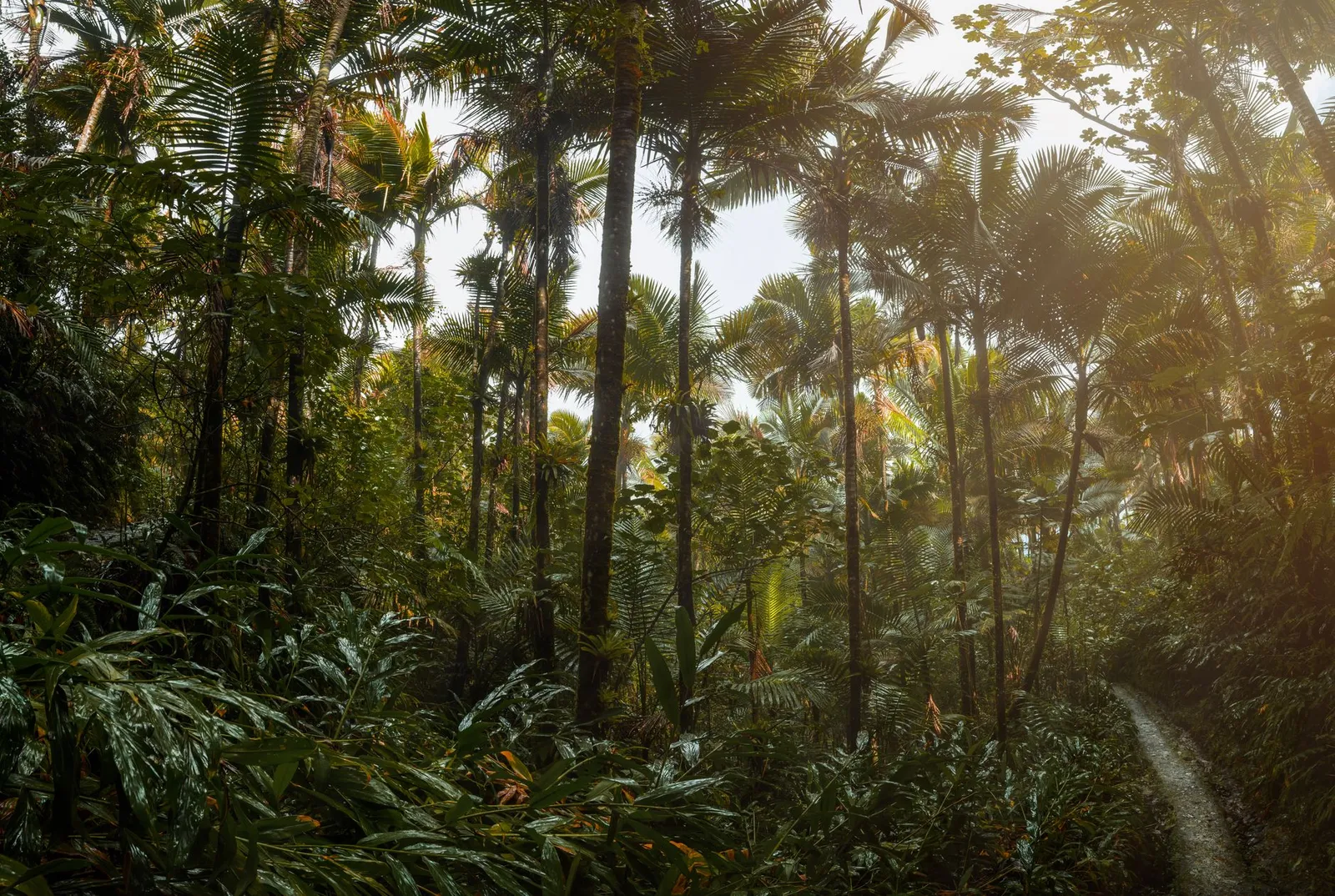
El Yunque is the only tropical rainforest in the US National Forest System. Entry to the main PR-191 corridor is free and, as of 2026, needs no reservation — but the Forest Service has switched timed-entry reservations on and off before, so check its El Yunque page the week you go, and aim to be there near the 8 a.m. opening.
Do the roadside stops first — La Coca Falls, Yokahú Tower — then pick one trail. Big Tree is the popular walk; Mount Britton climbs to a stone tower that is either a view or a cloud, depending on the hour. Angelito, off PR-988, sits outside the main corridor and is short, shaded and good with children.
Come down to Luquillo for the afternoon. Balneario Monserrate is a calm, lifeguarded public beach with real facilities, and the kiosks strung along the old road beside it serve alcapurrias, pinchos and fried things in numbers no restaurant can match.
Day 4 — the east coast and a dark bay
Fajardo is the jumping-off point for the east. Seven Seas is the sheltered public beach, catamaran trips run out to the cays off the coast, and Laguna Grande is the bio bay you can reach without a ferry — it is a kayak paddle through a mangrove channel to a lagoon that lights up when you move the water.
The alternative is a full day on Vieques, whose Mosquito Bay is the brightest bioluminescent bay anywhere and worth rearranging a trip for. That means the Ceiba ferry or a short flight, and it is a long day if you try to do it and come back the same night.
Day 5 — go west, or go up
The west coast version
Rincón, Aguadilla and Isabela are surf country: Domes, Sandy Beach and Steps around Rincón, Jobos and Shacks further north. Between January and March humpback whales pass offshore and you can sometimes see them from the cliffs. The west is also where the sunsets happen — the north coast faces the wrong way for it.
The mountain version
The Ruta Panorámica runs the spine of the island through Adjuntas, Jayuya and Utuado, past coffee haciendas and Cerro de Punta, the highest point in Puerto Rico. It is slow, winding and beautiful, and it is a different country from the coast — cooler, quieter, sweaters in the evening.
Day 6 — one long, unhurried beach day
By day six the temptation is to cram. Do not. Pick one coast and stay on it.
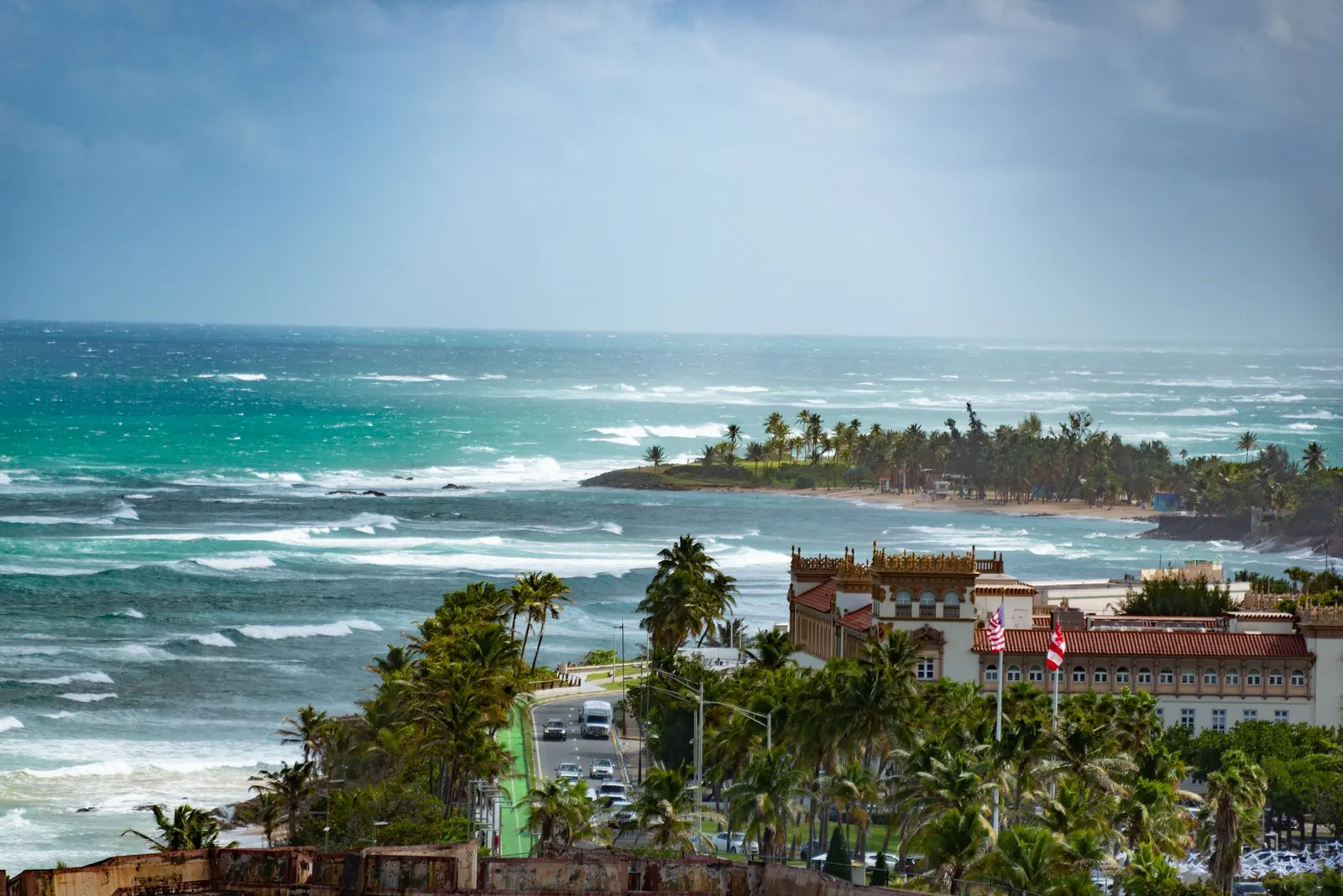
If you are still metro-based, Condado and Ocean Park put you on sand within walking distance of dinner, Balneario El Escambrón has the calmest water and the best snorkelling in the city, and the Carolina balneario east of the airport is wide, lifeguarded and easy to park at.
If you have the car and the appetite, Piñones along PR-187 is a stretch of open-air kiosks and a coastal bike path east of the airport — crab alcapurrias, wood smoke, and no resort in sight.
Day 7 — the short list you saved
Keep the last morning loose. Old San Juan is about from the airport without traffic, so there is time for the fort you skipped, the Catedral de San Juan Bautista where Ponce de León is buried, or a last plate of mallorca and coffee.
Fill the rental car before you drop it — fuel here is sold by the litre and the airport pumps know you are in a hurry.
Times: our calculation on OpenStreetMap data, © OpenStreetMap contributors (ODbL)
Three ways to change this plan
- No car at all. Stay in Old San Juan or Condado, use the metro-area rideshare, and buy the rainforest and bio bay as guided day tours with hotel pickup. You lose the west coast and gain a lot of parking-free evenings.
- Travelling with children. Swap the west coast day for a second beach day and keep the drives under an hour — our family guide has the balnearios with lifeguards, shade and bathrooms.
- Ten days instead of seven. Add two nights on Vieques or Culebra rather than stretching the mainland. The offshore islands are the part people wish they had given more time.
Common questions
Do I need a rental car for a week in Puerto Rico?
Not for San Juan itself, which is walkable with rideshare filling the gaps. For El Yunque, the west coast, the south and most of the good beaches, yes — public transport does not usefully connect them.
Is seven days enough for Puerto Rico?
It is enough for San Juan, the rainforest, a bio bay and one more region properly. It is not enough for the whole island, and trying makes the week feel like a series of car parks.
What is the best month to go?
December to April is the dry season and the busiest. May, June and late November are quieter and still warm. Hurricane season runs 1 June to 30 November, with the peak risk from August to October.
Where to stay
Homes near everything in this guide
Keep reading