City and culture
What to eat in Puerto Rico, and where to find it
Mofongo, lechón, alcapurrias, mallorca and the rest — what to eat in Puerto Rico, plus the roadside kiosks and the coffee country the best of it comes from.
Puerto Rican cooking is Taíno, Spanish and West African in the same mouthful, built on plantain, pork, rice and a green sofrito base that goes into almost everything. The best of it is rarely in a dining room — it is at a roadside kiosk, a lechonera in the mountains, or a bakery counter at seven in the morning.
The dishes to know
- Mofongo — green plantain fried, then mashed in a wooden pilón with garlic, oil and crackling, pressed into a bowl and filled with shrimp, chicken or stewed beef. Trifongo adds sweet plantain and yuca to the mash.
- Arroz con gandules — rice with pigeon peas, cooked with sofrito and pork. The national plate, and the thing every family argues about.
- Pernil — pork shoulder marinated in garlic and adobo and roasted until the skin shatters.
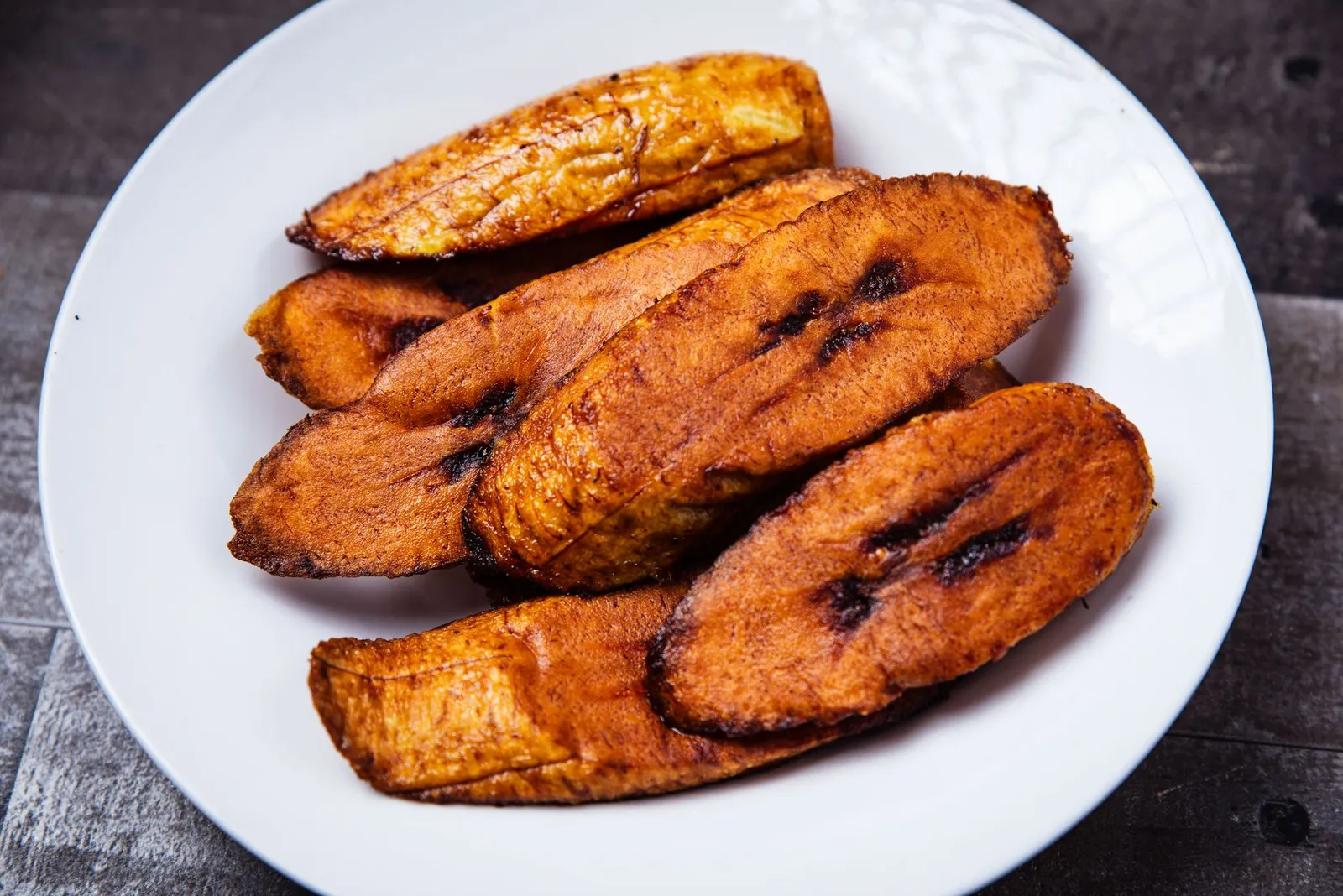
- Tostones and amarillos — green plantain smashed and twice-fried, salty; or ripe plantain fried soft and sweet. Almost every plate comes with one of them.
- Pasteles — a masa of green banana and root vegetables wrapped in banana leaf around seasoned pork, boiled. Christmas food, made in batches, worth seeking out.
- Chillo entero — whole fried red snapper, standard on the coast, usually with tostones and a garlic mojo.
- Sancocho and asopao — a thick root-vegetable stew and a soupy rice, both what people eat at home rather than out.
Fritura: the roadside food
Frituras are the fried snacks sold from kiosks, and they are the most Puerto Rican thing you can eat standing up.
- Alcapurrias — a fritter of grated green banana and yautía around seasoned beef, or, at the coast, crab.
- Bacalaítos — flat, lacy salt-cod fritters the size of a plate.
- Empanadillas / pastelillos — folded pastry turnovers filled with beef, chicken, cheese or crab.
- Sorullitos — sweet corn sticks, usually served with a mayo-ketchup dip nobody apologises for.
- Pinchos — grilled skewers of chicken or pork, brushed with barbecue sauce, with a piece of bread pushed onto the end of the stick.
Two places to eat them: Piñones, the strip of open-air kiosks along PR-187 east of the airport, where the crab alcapurrias are the speciality; and Los Kioskos de Luquillo, dozens of kiosks in a row beside the beach road in Luquillo, ranging from a fryer and a counter to full sit-down kitchens.
Lechón, and the Sunday habit
Whole pig, spit-roasted over charcoal, carved to order and sold by weight with rice, guineítos and morcilla on the side. The lechoneras strung along PR-184 through Guavate, in the mountains of Cayey, south of Caguas, are the best-known cluster — busiest on Sundays, when there are often musicians and always a queue.
This is also the clearest example of chinchorreo, the weekend tradition of moving between roadside chinchorros, eating a little and drinking a little at each. It is a social activity that happens to involve food, and it is one of the most enjoyable ways to spend a Sunday on the island.
Breakfast, bakeries and coffee
A Puerto Rican panadería does bread, pastry, coffee and a full hot counter, usually from early morning.
- Mallorca — a soft coiled bread, buttered, pressed on a plancha and dusted with powdered sugar. The savoury version with ham and cheese, sugar still on top, is the one to order.
- Quesito — puff pastry rolled around sweet cream cheese, glazed.
- Pan sobao and pan de agua — the two everyday loaves; sobao is softer and slightly sweet.
- Café con leche — strong and milky, and taken seriously. Coffee is grown up in the mountains around Yauco, Adjuntas, Jayuya, Lares and Maricao, and Puerto Rican beans were a European luxury long before they were a souvenir.
In Old San Juan the bakeries open before the streets fill, which is the best hour of the day to be in the city anyway.
Sweets and street things
- Tembleque — a coconut milk pudding, set soft, dusted with cinnamon.
- Flan de queso — the denser, cheesecake-leaning version of flan.
- Arroz con dulce — rice pudding with coconut and spice, a Christmas fixture.
- Limbers — frozen fruit or coconut ice sold from home freezers in plastic cups, named, it is said, after Charles Lindbergh.
- Piraguas — shaved ice in a paper cone with fruit syrup, from a cart.
- Coquito — the coconut-and-rum Christmas drink, made at home to family recipes and given away in bottles.
What to drink
Rum is the island’s industry: Casa Bacardí sits across the bay in Cataño, and Don Q, made by Destilería Serrallés in Ponce, is what most people here actually pour. Medalla Light is the local beer, sold cold everywhere in small cans.
The piña colada was invented in San Juan — two establishments claim it, the argument is unresolved and enthusiastic, and the drink is the official one of Puerto Rico either way. Non-alcoholic options worth ordering: mavi, fermented from tree bark and mildly sweet, and fresh parcha (passion fruit) or acerola juice.
Around Christmas, pitorro — homemade cane spirit, often steeped with fruit — comes out of cupboards. It is stronger than it tastes.
Where to eat, as a strategy
- Santurce — the densest good eating in the city. La Placita for the market and the weekend crowd, Calle Loíza for the newer kitchens.
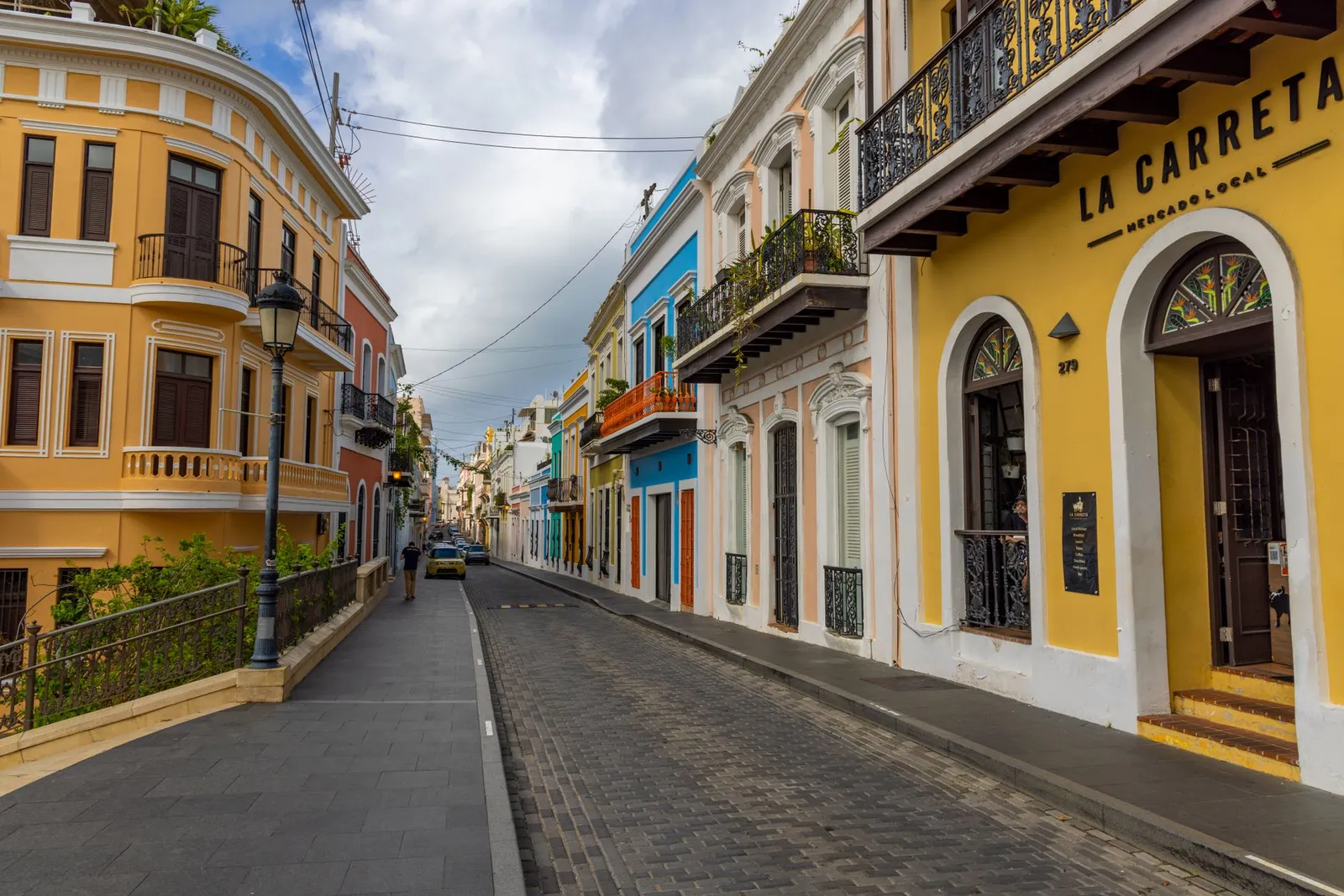
- Old San Juan — bakeries in the morning, small kitchens in the evening; the streets away from the cruise piers are the ones to walk.
- Condado — the dressier strip along Ashford Avenue, and the easiest place to eat late near the beach.
- The kiosks — Piñones and Luquillo, for a fraction of restaurant prices and more character.
- The mountains — Guavate for lechón, and the coffee haciendas around Adjuntas and Jayuya if you want to see where the beans come from.
Restaurants open and close, and any list of names goes stale fast — ask your host what is good this month. A kitchen in the rental is worth having for exactly this reason: breakfast at home, a bag of fruit from a roadside stand, and dinner out.
Eating well with dietary limits
Vegetarians do fine with mofongo (ask for it without chicharrón), tostones, arroz con habichuelas, sorullitos and cheese empanadillas — but sofrito and rice are often cooked with pork, so ask. Gluten-free eating is straightforward around the plantain and rice dishes and hard around the fritters and bakery counter. Seafood is everywhere on the coast and largely absent in the mountains.
Common questions
What food is Puerto Rico famous for?
Mofongo above all — mashed fried green plantain with garlic and crackling — along with arroz con gandules, roast pernil, and the fried kiosk snacks: alcapurrias, bacalaítos and empanadillas.
Where do locals eat in Puerto Rico?
At kiosks and chinchorros as much as in restaurants. Piñones and the Luquillo kiosks on the coast, the lechoneras along PR-184 at Guavate in the mountains, and the bakeries any morning.
Is the tap water safe to drink in Puerto Rico?
Public water is treated to US standards in most of the island and is generally safe. After major storms, follow any boil-water advisories that are in effect.
Where to stay
Homes near everything in this guide
Keep reading