City and culture
Old San Juan on foot: a walking route that makes sense
An Old San Juan walking guide — the forts, the wall, Calle del Cristo, the plazas and the food, in an order that never sends you up the same hill twice.
Old San Juan is about seven blocks by seven, which makes people think it can be done in an hour. It cannot, because it is also a hill, and because the good parts are the courtyards, doorways and side streets you only notice at walking pace. This route takes most of a day, runs downhill more often than up, and ends where the light is best.
Before you start
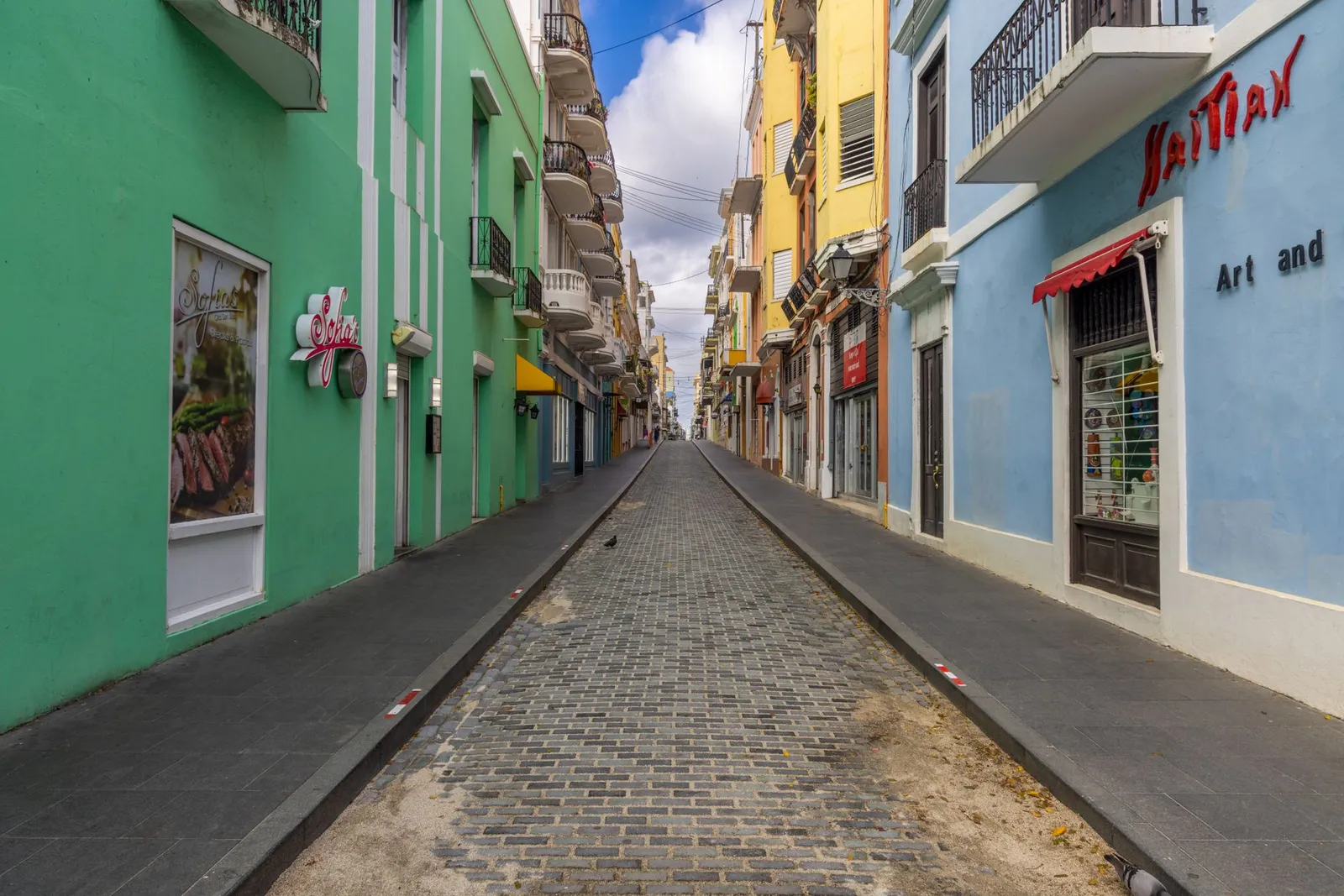
- Wear real shoes. The adoquines — the blue-grey cobblestones cast from furnace slag — are uneven, polished by five centuries of use, and slippery when wet.
- Start early. The cruise ships unload mid-morning and the streets between the piers and the forts change character completely for a few hours.
- Carry water and a hat. There is shade in the streets and none at all on the fort lawns.
- Buy the fort ticket once. One National Park Service ticket covers both El Morro and San Cristóbal for 24 hours; visitors 15 and under are free.
If you are staying inside the walls, none of this needs a car. That is most of the argument for booking a home in Old San Juan rather than commuting in.
Start at Plaza Colón and Castillo San Cristóbal
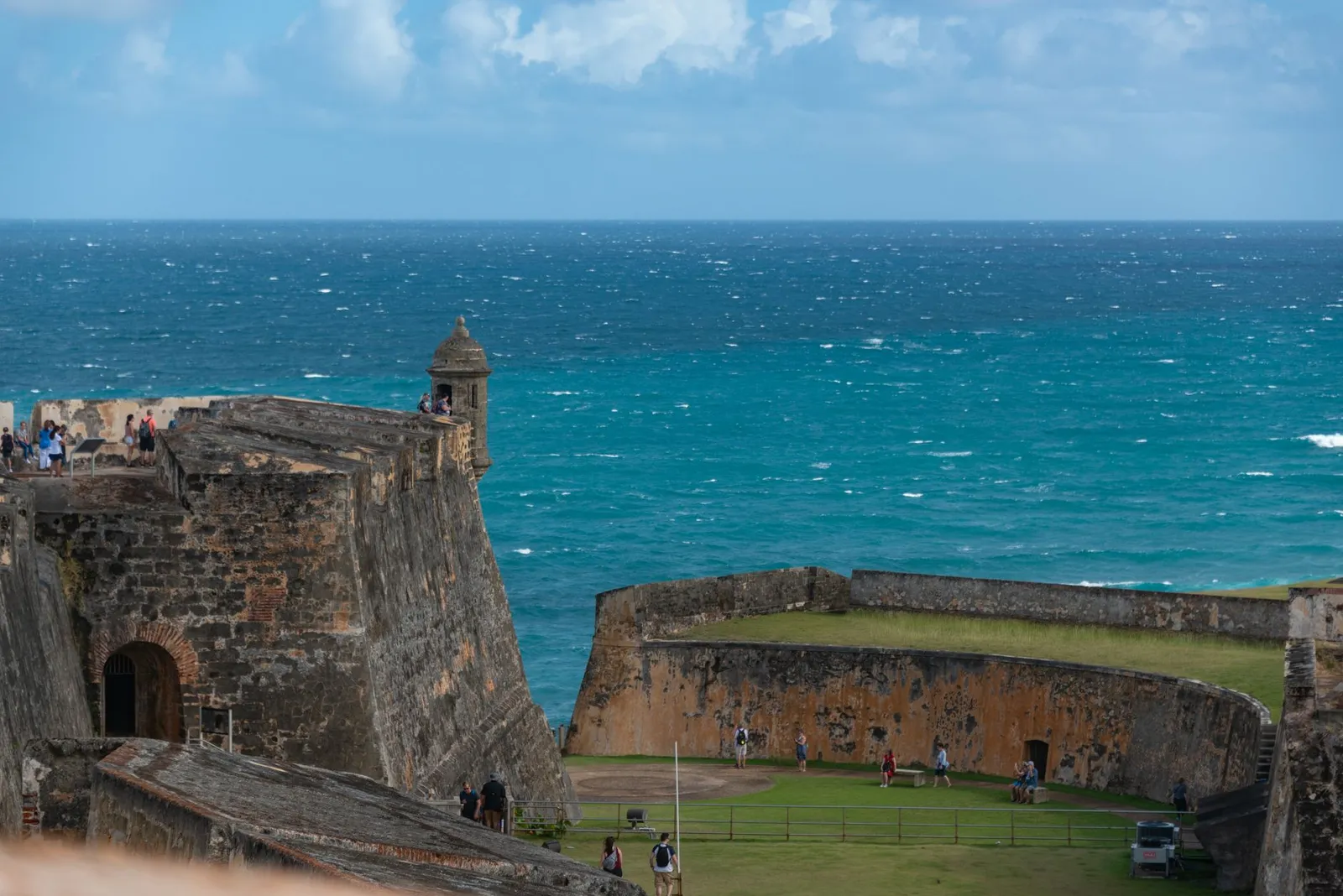
Plaza Colón is the eastern gateway to the old city, where the buses come in and the street grid begins. Two minutes uphill is Castillo San Cristóbal, the larger of the two forts and the one built to stop an attack by land rather than sea.
Go here first rather than El Morro. It is quieter in the morning, the dry moat and tunnel system explain how the whole defensive scheme worked, and the view back over the modern city is the one that puts the old quarter in context.
Walk Calle Norzagaray along the north wall
From San Cristóbal, take Calle Norzagaray west along the top of the sea wall. The Atlantic is on your right, the roofs of La Perla below, and the walk delivers you to the Cuartel de Ballajá — a vast 19th-century Spanish barracks that now houses the Museo de las Américas — and the open ground of the Plaza del Quinto Centenario.
La Perla, the neighbourhood below the wall, is a residential community, not an attraction. People live there. Look, photograph the coastline rather than the doorways, and treat it as you would any street where families live.
El Morro, and the lawn
The long green approach to Castillo San Felipe del Morro is the picture everyone has seen: a wide field, kites in the wind, and a six-level fort on the headland at the end of it. Inside, work up through the gun positions to the garitas — the domed sentry boxes that have become the island’s unofficial emblem — and the small chapel of Santa Bárbara.
Come out and cut back through the Cementerio Santa María Magdalena de Pazzis viewpoint, the walled cemetery between the fort and the sea. It is one of the most photographed spots in the Caribbean and, again, an active burial ground: quiet feet.
Down Calle del Cristo to the chapel
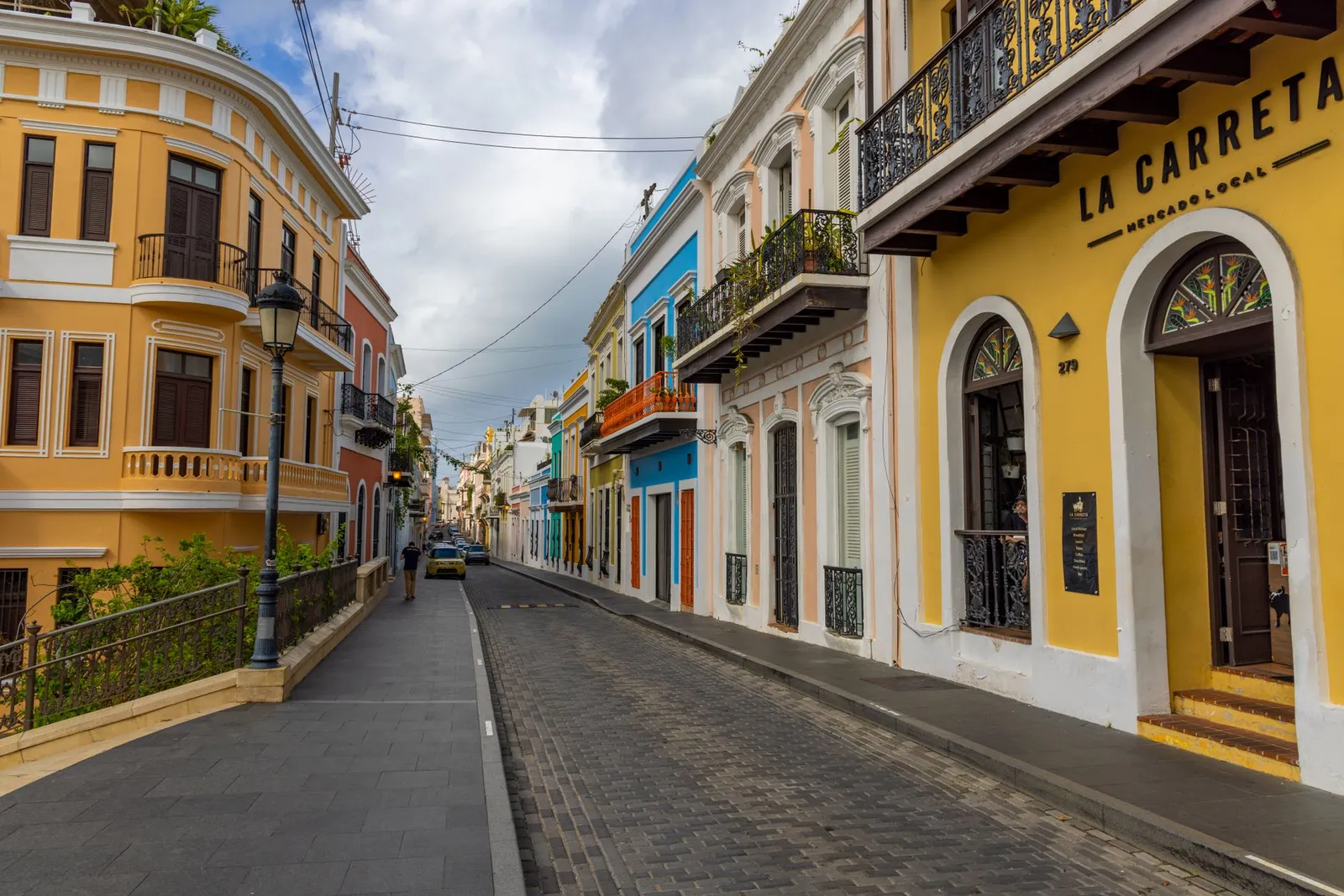
Calle del Cristo runs the length of the old city from Casa Blanca — the house built for Juan Ponce de León’s family in 1521 — down past Hotel El Convento, a 17th-century Carmelite convent, and the Catedral de San Juan Bautista, where Ponce de León is buried.
Keep going downhill and the street ends at the Capilla del Cristo, a small 18th-century chapel, with Parque de las Palomas beside it: a shaded terrace above the bay, full of pigeons and cats and people not doing very much.
The bay side: Paseo de la Princesa and the city gate
Leave the walls through the Puerta de San Juan — the red gate on the water, which for three centuries was where arriving ships put people ashore — and walk the Paseo del Morro along the base of the wall, or turn the other way onto the Paseo de la Princesa, the promenade with the Raíces fountain at the end of it.
This is flat, shaded and cool, which by mid-afternoon is exactly what you want. It is also the best place to see the scale of the fortifications, because you are standing at the bottom of them.
Finish in the plazas — and eat
Plaza de Armas is the old parade ground and the practical centre of the city: city hall on one side, four statues of the seasons, a coffee kiosk, and the best people-watching inside the walls. Calle Fortaleza runs east from here, past La Fortaleza — the governor’s residence, and the oldest executive mansion still in use in the Americas — under whatever colour of umbrella canopy the city has strung up this year.
What to eat while you walk
- Mallorca — a sweet, coiled bread, pressed flat with butter and dusted with powdered sugar. Order it plain or with ham and cheese, which is better than it sounds.
- Quesito — flaky pastry wrapped around sweetened cream cheese.
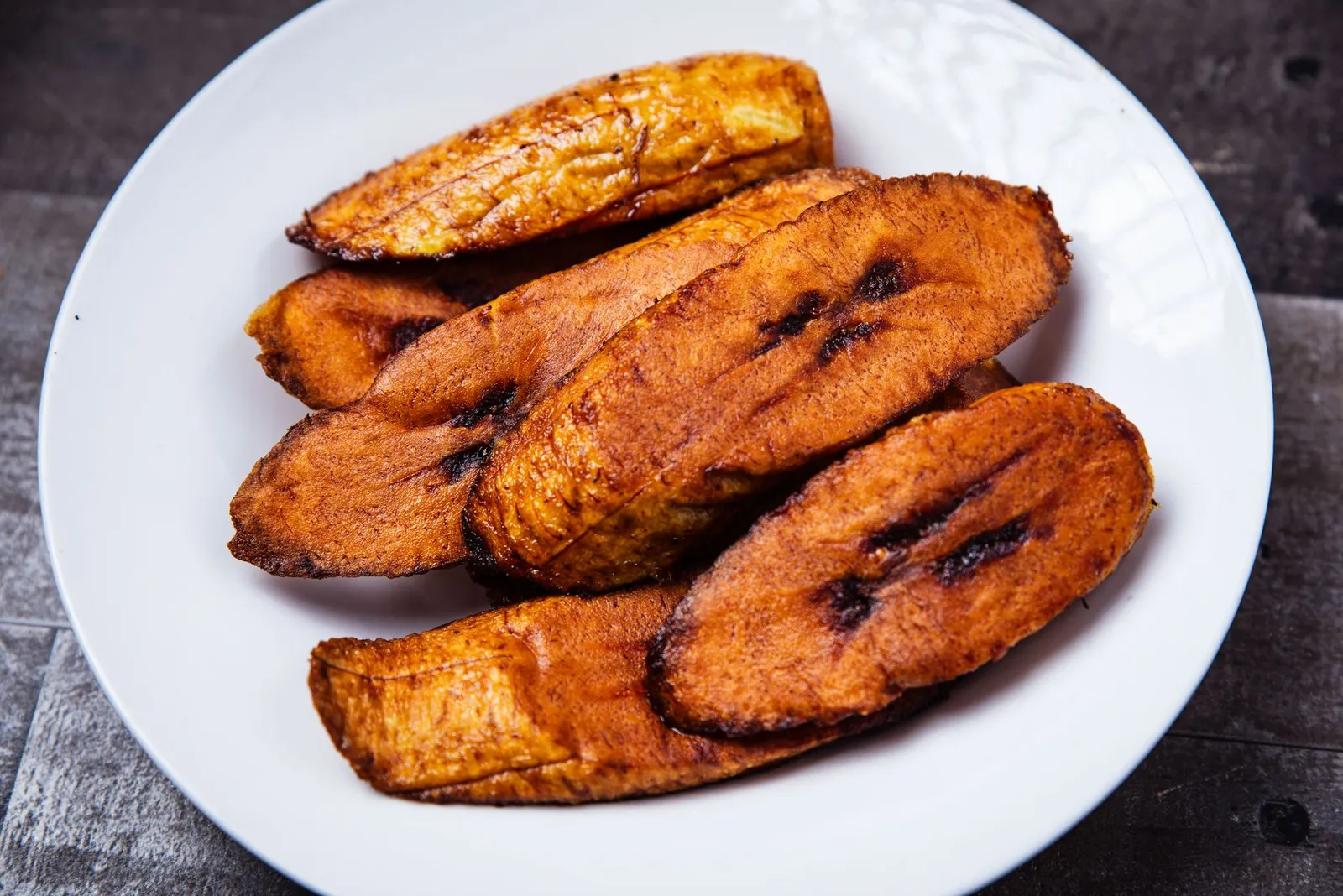
- Mofongo — mashed green plantain with garlic and crackling, served as a bowl around something stewed.
- A piña colada — two Old San Juan institutions claim to have invented it, which is a fight worth staying out of and a drink worth having.
- Coffee — Puerto Rican beans come down from Yauco, Adjuntas and Jayuya, and the old city takes its espresso seriously.
Fuller detail on all of it is in the Puerto Rico food guide.
If you have a second day
Add the Museo de las Américas properly, the Casa Blanca gardens, and the walk out to the Fortín San Juan de la Cruz across the bay. Or leave the walls entirely and spend it in Santurce, fifteen minutes away, where the murals and the markets are.
Common questions
How long does it take to walk around Old San Juan?
The route above is comfortably a full day with stops. A fast loop of the two forts and the main streets can be done in three to four hours, but you will walk past most of what makes the place interesting.
Is Old San Juan walkable with mobility limits?
Partly. The streets are steep and cobbled, but the bay-side promenades — Paseo de la Princesa and Paseo del Morro — are flat and paved, and both forts have accessible routes to their main levels.
What is the best time of day to visit Old San Juan?
Early morning for the streets and the forts, and evening for the plazas and dinner. The middle of a cruise day is the busiest it gets.
Where to stay
Homes near everything in this guide
Keep reading