
Who you are travelling with
Working remotely from Puerto Rico: the practical version
What it is really like to work remotely from Puerto Rico — internet, power outages, time zone, neighbourhoods, coworking and monthly rentals.
For anyone working on a US contract, Puerto Rico removes almost every friction of working abroad: same country, same dollar, same phone plan, same bank, no visa, no time-zone gymnastics. What it adds is a power grid you have to plan around and a couple of local realities nobody mentions in the brochure.
What makes it easy
- No visa, no work permit for US citizens and residents — it is a US territory, and the flight from the mainland is domestic.
- US dollars, US banking, US carriers. Your phone works as a domestic plan; no roaming, no international fees.
- Atlantic Standard Time, no daylight saving. In the US summer you are on Eastern time; in winter you are an hour ahead of it. Either way you are inside the US working day, which is the thing most remote destinations cannot offer.
- Postal service, deliveries and Amazon all function, with slower shipping times than the mainland.
- English is widely spoken in the metro area, and Spanish is the language of daily life. Learning some is the difference between visiting and living somewhere.
The internet and power question
This is the part to get right, because everything else is easy.
- Fibre is common in the metro area — San Juan, Santurce, Condado, Miramar, Isla Verde — and patchier outside it. Speeds in a good building are fully sufficient for video calls and large uploads.
- Ask the host for a speed test before you book a long stay, and ask which provider the building uses. Ask specifically about upload speed, which is what matters for calls.
- The grid is still fragile after the 2017 hurricanes. Outages happen, sometimes for hours. Many well-equipped rentals have a generator or a battery inverter — ask whether it covers the whole home or only some circuits, and whether the internet and the water pump stay on with it.
- Bring a backup. Your phone’s hotspot on a different network, a charged power bank, and if you take a lot of calls, a small UPS for the router is the single best purchase you will make.
- Have a fallback place to work — a coworking day pass or a café with reliable power — so an outage costs you a walk rather than a day.
Where to base yourself
- Santurce — the best day-to-day neighbourhood for a longer stay: cafés, markets, galleries, the densest good food in the city, and better value than the beach strips.
- Condado — walkable, beachfront, with the most reliable infrastructure and the easiest evenings. The default for a first month.
- Miramar — quiet, residential and central, along the lagoon between the old city and the beach.
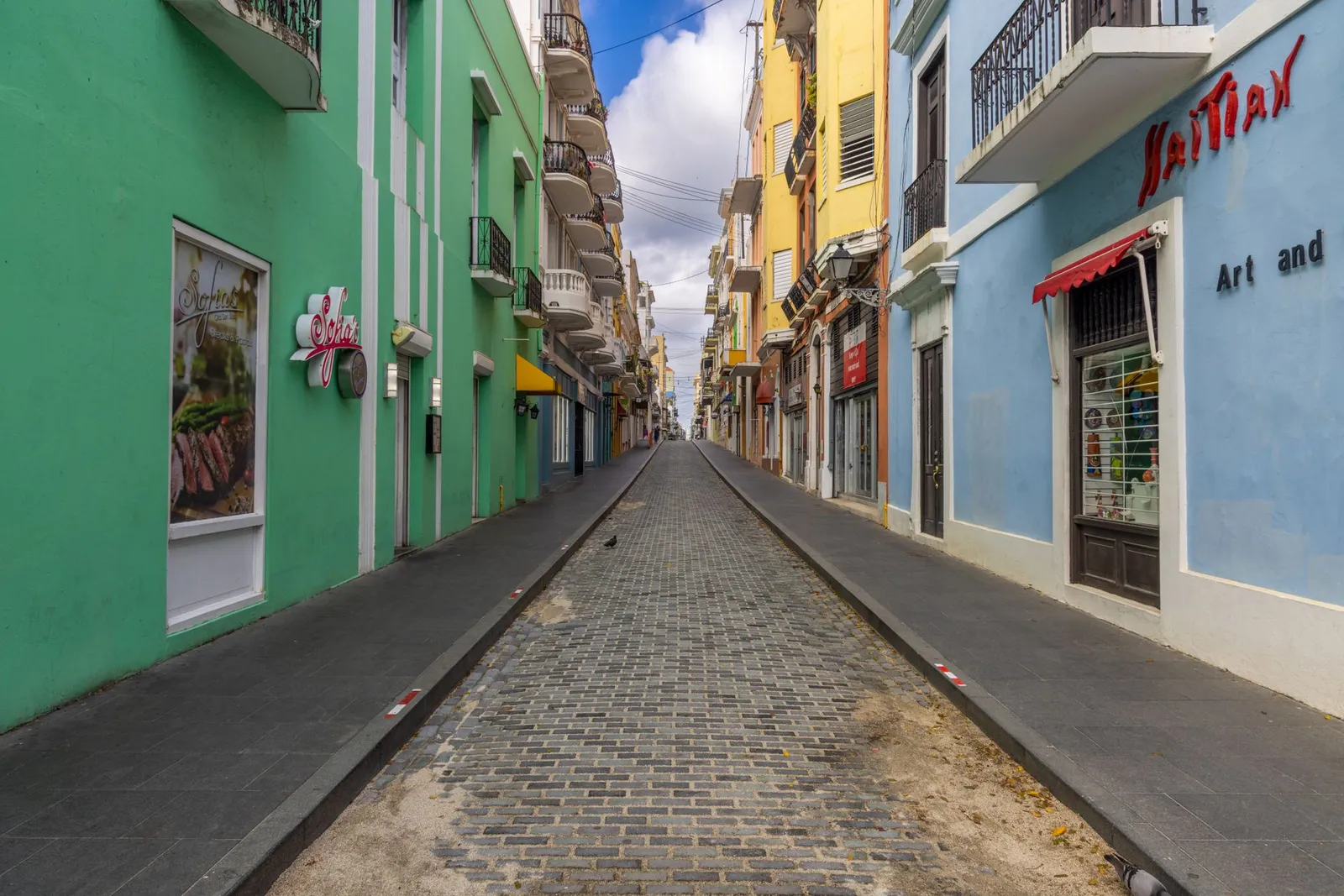
- Old San Juan — extraordinary to live in for a month, with the caveats of parking and weekend noise.
- Isla Verde — the wide beach and the closest district to the airport, which matters if you fly often.
- Dorado and the north coast — quieter, greener and slower; a car becomes essential.
- Rincón and the west — the surf-town version of this life. Slower, cheaper, and further from everything, including reliable fibre.
Coworking and cafés
San Juan has an established coworking scene across Santurce, Condado, Miramar and Old San Juan, with day passes as well as monthly desks. Locations and operators change, so check what is trading now rather than trusting a two-year-old list.
Café culture is real but the etiquette is Latin American rather than Californian: order properly, do not occupy a two-top for six hours, and expect the music to be part of the experience. For long calls, a desk somewhere is worth the money.
Cost of living, honestly
Puerto Rico is not a cheap-living destination in the way Southeast Asia or parts of Latin America are. Most goods are imported, so groceries and household items cost more than the US mainland average, and electricity is expensive — which is why a monthly rental with utilities included removes a genuine unknown.
What is cheaper: eating well. Kiosks, bakeries, panaderías and roadside food are inexpensive and excellent. Local produce, coffee and rum are local prices. And there is no airfare to a different country, no currency spread, and no international data plan.
Making a month work
- Rent monthly, not nightly. Longer stays price better per night, and a monthly stay usually comes with the workspace, laundry and kitchen that make a month sustainable.
- Get the desk right. Ask for a photo of the actual work setup. A dining chair for four weeks is a physiotherapy bill.
- Keep one weekday free. The island is small enough that a Wednesday afternoon at a beach with nobody on it is the entire point of being here.
- Plan the weekends. El Yunque, Vieques, the west coast and the mountains are all within a couple of hours, and doing one properly each weekend gets you around the island in a month.
- Join something. Surf lessons, a running club, a salsa class. A month passes fast and the people are the reason to come back.
What surprises people
- Afternoon rain is normal and brief. It is not a ruined day.
- Traffic in the metro area is worse than the map suggests. Plan around rush hour, not through it.
- The heat in August and September is serious, and that is also the peak of hurricane season.
- Things run on their own rhythm. A queue moves when it moves; the response is patience, not complaint.
- You will stop noticing the coquí at night, and then miss it when you go home.
Common questions
Can US citizens work remotely from Puerto Rico?
Yes. It is a US territory, so there is no visa or work permit involved, and US banking, phone plans and postal services all work normally.
Is the internet reliable in Puerto Rico?
Fibre in the San Juan metro area is fast and generally reliable; rural coverage is patchier. The bigger variable is the electricity grid, so ask hosts what backup power the home has and keep a hotspot as a fallback.
What time zone is Puerto Rico in?
Atlantic Standard Time, year-round, with no daylight saving. That matches US Eastern time in summer and runs an hour ahead of it in winter.
Where to stay
Homes near everything in this guide
Keep reading