RentInPR — Puerto Rico Vacation Rentals

Talk to a host

How can we help?

Questions about a home, your dates or a booking? Send us a message and one of our hosts will write back by email.

What's it about?
Your stay (optional)

Mention the home, your dates and anything we should know.

We use your details only to reply to you. Privacy policy

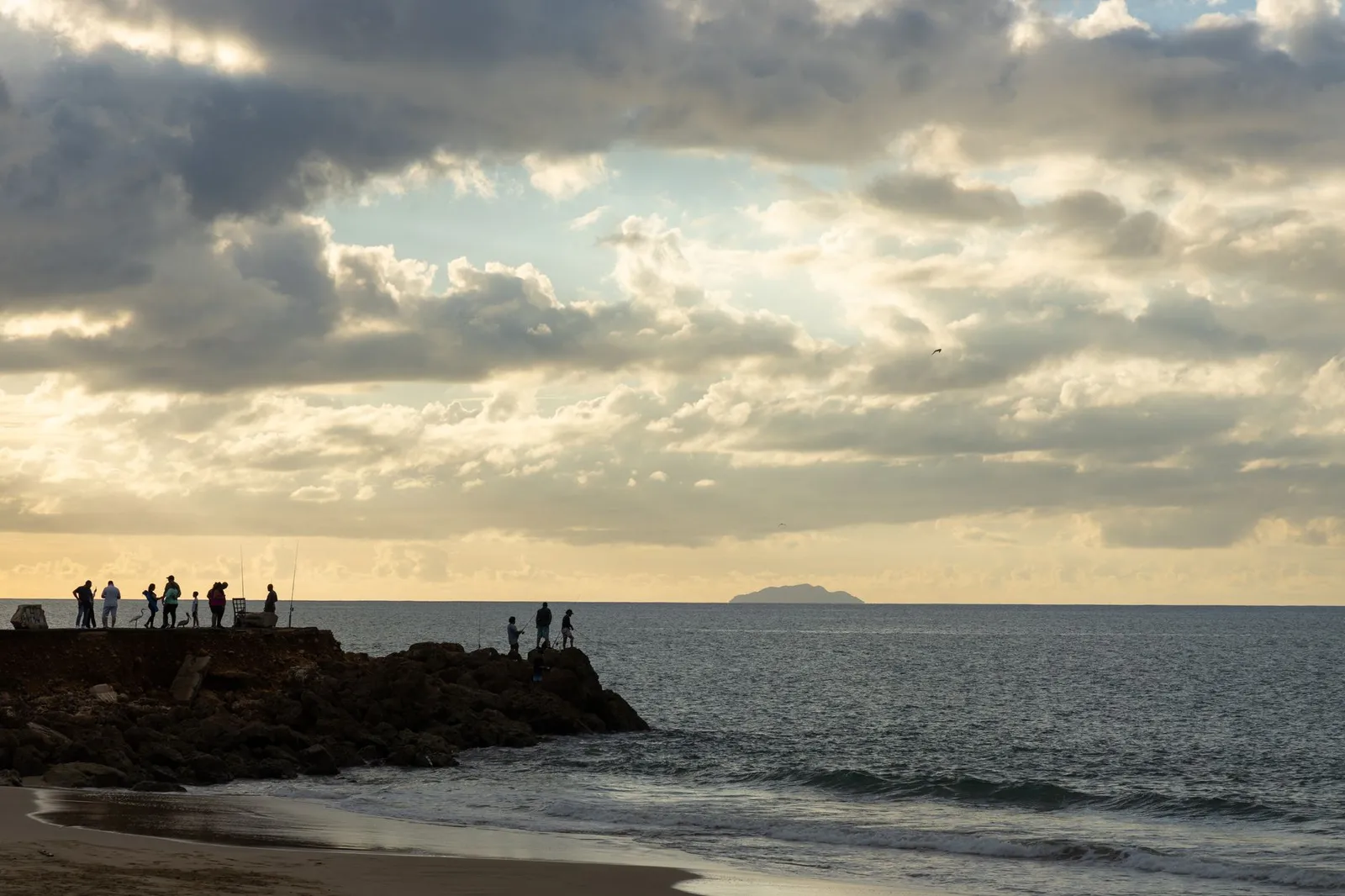
People on a rocky point watching the sunset over the sea at Aguadilla, Puerto Rico.
Photograph: Matthew Hernandez

Beaches and nature

Puerto Rico’s bioluminescent bays, and how to see them properly

Mosquito Bay, Laguna Grande or La Parguera: which to pick, the darkest nights for the next six months, and drive times from San Juan and Luquillo.

By The RentInPR hosting team6 min read

There are only a handful of reliably bright bioluminescent bays left in the world, and Puerto Rico has three of them. Done right — a dark night, a quiet paddle, no lights — it is the single most memorable thing on the island. Done wrong, on a full moon with a boat full of phone screens, it is a disappointment you paid for.

What is actually happening in the water

The glow comes from dinoflagellates, single-celled organisms that emit a flash of blue-green light when the water around them is disturbed. In these bays the species concentrates in extraordinary numbers, held there by a narrow mouth, mangroves that shed nutrients into the water, and the shape of the basin.

Move a paddle and the water lights along the blade. Trail a hand and it leaves a comet trail. Fish become visible as streaks of light. It photographs badly and remembers beautifully.

The three bays

Mosquito Bay, Vieques — the brightest

Mosquito Bay on the south side of Vieques is recognised as the brightest bioluminescent bay in the world, and on a good night the difference between it and the other two is not subtle. Tours go by kayak or electric-powered boat. Swimming is not allowed — the bay is protected, and sunscreen, repellent and body oils damage the organisms.

The catch is logistics: Vieques means the ferry from Ceiba or a short flight, and a night on the island. It is worth building the trip around.

Laguna Grande, Fajardo — the easiest

The one most visitors see, because it is about an hour from San Juan and can be done as an evening trip. Tours paddle a long, narrow mangrove channel in the dark and come out into the lagoon. The channel itself is part of the experience: overhanging roots, no light, and guides calling positions down the line. Swimming is not permitted here either.

La Parguera, Lajas — the one you can swim in

On the south coast, and the only one of the three where swimming is allowed. Tours run by motorboat, which keeps it accessible for people who do not want to kayak, but the boat traffic and the surrounding light mean it is generally the dimmest of the three.

When to go — the moon matters more than the season

Bioluminescence is always there. Your ability to see it depends on how dark the sky is.

  • Best: the nights either side of a new moon, when there is no moonlight at all.
  • Fine: the first and last quarters, if the moon sets early or rises late.
  • Avoid: the nights around a full moon. Many operators reduce or pause trips then, which tells you what you need to know.

Check a moon-phase calendar before you fix dates, and book as far ahead as you can for the dark nights — they sell out first, especially at weekends and over holidays.

Dark nights for the next six months

Rather than "check a moon-phase calendar" (above), here is an actual one, built in: every night for the next six months, rated from the moon's own phase and whether it is above the horizon during a typical evening tour window.

The next dark run is October 30 – November 13, 2026.

  • Dark
  • Partly moonlit
  • Bright

October 2026

October 15, 2026: Partly moonlit — 26% of the moon lit, moonrise 10:37 amOctober 16, 2026: Partly moonlit — 35% of the moon lit, moonrise 11:28 amOctober 17, 2026: Partly moonlit — 44% of the moon lit, moonrise 12:16 pmOctober 18, 2026: Bright — 54% of the moon lit, moonrise 1:01 pmOctober 19, 2026: Bright — 63% of the moon lit, moonrise 1:42 pmOctober 20, 2026: Bright — 72% of the moon lit, moonrise 2:20 pmOctober 21, 2026: Bright — 81% of the moon lit, moonrise 2:56 pmOctober 22, 2026: Bright — 88% of the moon lit, moonrise 3:32 pmOctober 23, 2026: Bright — 94% of the moon lit, moonrise 4:08 pmOctober 24, 2026: Bright — 98% of the moon lit, moonrise 4:45 pmOctober 25, 2026: Bright — 100% of the moon lit, moonrise 5:27 pmOctober 26, 2026: Bright — 99% of the moon lit, moonrise 6:13 pmOctober 27, 2026: Bright — 95% of the moon lit, moonrise 7:05 pmOctober 28, 2026: Bright — 89% of the moon lit, moonrise 8:04 pmOctober 29, 2026: Partly moonlit — 80% of the moon lit, moonrise 9:08 pmOctober 30, 2026: Dark — 70% of the moon lit, moonrise 10:14 pmOctober 31, 2026: Dark — 59% of the moon lit, moonrise 11:19 pm

November 2026

November 1, 2026: Dark — 48% of the moon lit, no moonrise that nightNovember 2, 2026: Dark — 37% of the moon lit, moonrise 12:21 amNovember 3, 2026: Dark — 27% of the moon lit, moonrise 1:19 amNovember 4, 2026: Dark — 18% of the moon lit, moonrise 2:14 amNovember 5, 2026: Dark — 11% of the moon lit, moonrise 3:07 amNovember 6, 2026: Dark — 5% of the moon lit, moonrise 4:00 amNovember 7, 2026: Dark — 2% of the moon lit, moonrise 4:52 amNovember 8, 2026: Dark — 0% of the moon lit, moonrise 5:45 amNovember 9, 2026: Dark — 1% of the moon lit, moonrise 6:39 amNovember 10, 2026: Dark — 3% of the moon lit, moonrise 7:34 amNovember 11, 2026: Dark — 7% of the moon lit, moonrise 8:28 amNovember 12, 2026: Dark — 13% of the moon lit, moonrise 9:21 amNovember 13, 2026: Dark — 20% of the moon lit, moonrise 10:10 amNovember 14, 2026: Partly moonlit — 28% of the moon lit, moonrise 10:56 amNovember 15, 2026: Partly moonlit — 36% of the moon lit, moonrise 11:37 amNovember 16, 2026: Partly moonlit — 46% of the moon lit, moonrise 12:16 pmNovember 17, 2026: Bright — 56% of the moon lit, moonrise 12:52 pmNovember 18, 2026: Bright — 65% of the moon lit, moonrise 1:27 pmNovember 19, 2026: Bright — 75% of the moon lit, moonrise 2:01 pmNovember 20, 2026: Bright — 83% of the moon lit, moonrise 2:37 pmNovember 21, 2026: Bright — 91% of the moon lit, moonrise 3:16 pmNovember 22, 2026: Bright — 96% of the moon lit, moonrise 4:00 pmNovember 23, 2026: Bright — 99% of the moon lit, moonrise 4:50 pmNovember 24, 2026: Bright — 100% of the moon lit, moonrise 5:47 pmNovember 25, 2026: Bright — 97% of the moon lit, moonrise 6:51 pmNovember 26, 2026: Bright — 91% of the moon lit, moonrise 7:59 pmNovember 27, 2026: Partly moonlit — 84% of the moon lit, moonrise 9:07 pmNovember 28, 2026: Dark — 74% of the moon lit, moonrise 10:12 pmNovember 29, 2026: Dark — 63% of the moon lit, moonrise 11:13 pmNovember 30, 2026: Dark — 52% of the moon lit, no moonrise that night

December 2026

December 1, 2026: Dark — 42% of the moon lit, moonrise 12:10 amDecember 2, 2026: Dark — 32% of the moon lit, moonrise 1:04 amDecember 3, 2026: Dark — 22% of the moon lit, moonrise 1:56 amDecember 4, 2026: Dark — 15% of the moon lit, moonrise 2:48 amDecember 5, 2026: Dark — 8% of the moon lit, moonrise 3:40 amDecember 6, 2026: Dark — 4% of the moon lit, moonrise 4:34 amDecember 7, 2026: Dark — 1% of the moon lit, moonrise 5:28 amDecember 8, 2026: Dark — 0% of the moon lit, moonrise 6:22 amDecember 9, 2026: Dark — 1% of the moon lit, moonrise 7:15 amDecember 10, 2026: Dark — 4% of the moon lit, moonrise 8:05 amDecember 11, 2026: Dark — 8% of the moon lit, moonrise 8:52 amDecember 12, 2026: Dark — 14% of the moon lit, moonrise 9:35 amDecember 13, 2026: Partly moonlit — 21% of the moon lit, moonrise 10:14 amDecember 14, 2026: Partly moonlit — 29% of the moon lit, moonrise 10:50 amDecember 15, 2026: Partly moonlit — 38% of the moon lit, moonrise 11:25 amDecember 16, 2026: Partly moonlit — 48% of the moon lit, moonrise 11:59 amDecember 17, 2026: Bright — 58% of the moon lit, moonrise 12:33 pmDecember 18, 2026: Bright — 69% of the moon lit, moonrise 1:09 pmDecember 19, 2026: Bright — 78% of the moon lit, moonrise 1:49 pmDecember 20, 2026: Bright — 87% of the moon lit, moonrise 2:34 pmDecember 21, 2026: Bright — 94% of the moon lit, moonrise 3:26 pmDecember 22, 2026: Bright — 98% of the moon lit, moonrise 4:27 pmDecember 23, 2026: Bright — 100% of the moon lit, moonrise 5:34 pmDecember 24, 2026: Bright — 98% of the moon lit, moonrise 6:44 pmDecember 25, 2026: Bright — 94% of the moon lit, moonrise 7:54 pmDecember 26, 2026: Partly moonlit — 87% of the moon lit, moonrise 8:59 pmDecember 27, 2026: Dark — 79% of the moon lit, moonrise 10:00 pmDecember 28, 2026: Dark — 69% of the moon lit, moonrise 10:57 pmDecember 29, 2026: Dark — 58% of the moon lit, moonrise 11:51 pmDecember 30, 2026: Dark — 48% of the moon lit, no moonrise that nightDecember 31, 2026: Dark — 37% of the moon lit, moonrise 12:44 am

January 2027

January 1, 2027: Dark — 28% of the moon lit, moonrise 1:37 amJanuary 2, 2027: Dark — 20% of the moon lit, moonrise 2:30 amJanuary 3, 2027: Dark — 13% of the moon lit, moonrise 3:23 amJanuary 4, 2027: Dark — 7% of the moon lit, moonrise 4:17 amJanuary 5, 2027: Dark — 3% of the moon lit, moonrise 5:10 amJanuary 6, 2027: Dark — 1% of the moon lit, moonrise 6:01 amJanuary 7, 2027: Dark — 0% of the moon lit, moonrise 6:49 amJanuary 8, 2027: Dark — 1% of the moon lit, moonrise 7:34 amJanuary 9, 2027: Dark — 4% of the moon lit, moonrise 8:14 amJanuary 10, 2027: Dark — 9% of the moon lit, moonrise 8:51 amJanuary 11, 2027: Dark — 15% of the moon lit, moonrise 9:26 amJanuary 12, 2027: Partly moonlit — 23% of the moon lit, moonrise 9:59 amJanuary 13, 2027: Partly moonlit — 32% of the moon lit, moonrise 10:33 amJanuary 14, 2027: Partly moonlit — 42% of the moon lit, moonrise 11:07 amJanuary 15, 2027: Bright — 52% of the moon lit, moonrise 11:44 amJanuary 16, 2027: Bright — 63% of the moon lit, moonrise 12:25 pmJanuary 17, 2027: Bright — 73% of the moon lit, moonrise 1:12 pmJanuary 18, 2027: Bright — 83% of the moon lit, moonrise 2:06 pmJanuary 19, 2027: Bright — 91% of the moon lit, moonrise 3:08 pmJanuary 20, 2027: Bright — 97% of the moon lit, moonrise 4:16 pmJanuary 21, 2027: Bright — 100% of the moon lit, moonrise 5:27 pmJanuary 22, 2027: Bright — 100% of the moon lit, moonrise 6:35 pmJanuary 23, 2027: Bright — 97% of the moon lit, moonrise 7:40 pmJanuary 24, 2027: Bright — 91% of the moon lit, moonrise 8:41 pmJanuary 25, 2027: Partly moonlit — 83% of the moon lit, moonrise 9:39 pmJanuary 26, 2027: Dark — 74% of the moon lit, moonrise 10:34 pmJanuary 27, 2027: Dark — 64% of the moon lit, moonrise 11:29 pmJanuary 28, 2027: Dark — 54% of the moon lit, no moonrise that nightJanuary 29, 2027: Dark — 44% of the moon lit, moonrise 12:23 amJanuary 30, 2027: Dark — 35% of the moon lit, moonrise 1:17 amJanuary 31, 2027: Dark — 26% of the moon lit, moonrise 2:12 am

February 2027

February 1, 2027: Dark — 18% of the moon lit, moonrise 3:05 amFebruary 2, 2027: Dark — 11% of the moon lit, moonrise 3:57 amFebruary 3, 2027: Dark — 6% of the moon lit, moonrise 4:46 amFebruary 4, 2027: Dark — 2% of the moon lit, moonrise 5:32 amFebruary 5, 2027: Dark — 0% of the moon lit, moonrise 6:13 amFebruary 6, 2027: Dark — 0% of the moon lit, moonrise 6:52 amFebruary 7, 2027: Dark — 2% of the moon lit, moonrise 7:27 amFebruary 8, 2027: Dark — 5% of the moon lit, moonrise 8:01 amFebruary 9, 2027: Dark — 11% of the moon lit, moonrise 8:35 amFebruary 10, 2027: Dark — 18% of the moon lit, moonrise 9:09 amFebruary 11, 2027: Partly moonlit — 26% of the moon lit, moonrise 9:44 amFebruary 12, 2027: Partly moonlit — 36% of the moon lit, moonrise 10:23 amFebruary 13, 2027: Partly moonlit — 47% of the moon lit, moonrise 11:07 amFebruary 14, 2027: Bright — 58% of the moon lit, moonrise 11:57 amFebruary 15, 2027: Bright — 69% of the moon lit, moonrise 12:53 pmFebruary 16, 2027: Bright — 79% of the moon lit, moonrise 1:56 pmFebruary 17, 2027: Bright — 88% of the moon lit, moonrise 3:04 pmFebruary 18, 2027: Bright — 95% of the moon lit, moonrise 4:11 pmFebruary 19, 2027: Bright — 99% of the moon lit, moonrise 5:18 pmFebruary 20, 2027: Bright — 100% of the moon lit, moonrise 6:20 pmFebruary 21, 2027: Bright — 98% of the moon lit, moonrise 7:20 pmFebruary 22, 2027: Bright — 94% of the moon lit, moonrise 8:18 pmFebruary 23, 2027: Partly moonlit — 88% of the moon lit, moonrise 9:14 pmFebruary 24, 2027: Dark — 80% of the moon lit, moonrise 10:10 pmFebruary 25, 2027: Dark — 71% of the moon lit, moonrise 11:06 pmFebruary 26, 2027: Dark — 62% of the moon lit, no moonrise that nightFebruary 27, 2027: Dark — 52% of the moon lit, moonrise 12:02 amFebruary 28, 2027: Dark — 42% of the moon lit, moonrise 12:57 am

March 2027

March 1, 2027: Dark — 33% of the moon lit, moonrise 1:51 amMarch 2, 2027: Dark — 25% of the moon lit, moonrise 2:41 amMarch 3, 2027: Dark — 17% of the moon lit, moonrise 3:28 amMarch 4, 2027: Dark — 10% of the moon lit, moonrise 4:11 amMarch 5, 2027: Dark — 5% of the moon lit, moonrise 4:50 amMarch 6, 2027: Dark — 2% of the moon lit, moonrise 5:27 amMarch 7, 2027: Dark — 0% of the moon lit, moonrise 6:02 amMarch 8, 2027: Dark — 0% of the moon lit, moonrise 6:36 amMarch 9, 2027: Dark — 3% of the moon lit, moonrise 7:10 amMarch 10, 2027: Dark — 7% of the moon lit, moonrise 7:45 amMarch 11, 2027: Dark — 14% of the moon lit, moonrise 8:24 amMarch 12, 2027: Partly moonlit — 22% of the moon lit, moonrise 9:06 amMarch 13, 2027: Partly moonlit — 32% of the moon lit, moonrise 9:54 amMarch 14, 2027: Partly moonlit — 43% of the moon lit, moonrise 10:48 amMarch 15, 2027: Bright — 54% of the moon lit, moonrise 11:47 amMarch 16, 2027: Bright — 65% of the moon lit, moonrise 12:51 pmMarch 17, 2027: Bright — 76% of the moon lit, moonrise 1:57 pmMarch 18, 2027: Bright — 85% of the moon lit, moonrise 3:01 pmMarch 19, 2027: Bright — 92% of the moon lit, moonrise 4:03 pmMarch 20, 2027: Bright — 97% of the moon lit, moonrise 5:03 pmMarch 21, 2027: Bright — 100% of the moon lit, moonrise 6:01 pmMarch 22, 2027: Bright — 99% of the moon lit, moonrise 6:58 pmMarch 23, 2027: Bright — 97% of the moon lit, moonrise 7:55 pmMarch 24, 2027: Partly moonlit — 92% of the moon lit, moonrise 8:52 pmMarch 25, 2027: Partly moonlit — 85% of the moon lit, moonrise 9:49 pmMarch 26, 2027: Dark — 77% of the moon lit, moonrise 10:45 pmMarch 27, 2027: Dark — 69% of the moon lit, moonrise 11:41 pmMarch 28, 2027: Dark — 60% of the moon lit, no moonrise that nightMarch 29, 2027: Dark — 50% of the moon lit, moonrise 12:33 amMarch 30, 2027: Dark — 41% of the moon lit, moonrise 1:21 amMarch 31, 2027: Dark — 32% of the moon lit, moonrise 2:06 am

April 2027

April 1, 2027: Dark — 23% of the moon lit, moonrise 2:47 amApril 2, 2027: Dark — 16% of the moon lit, moonrise 3:24 amApril 3, 2027: Dark — 9% of the moon lit, moonrise 4:00 amApril 4, 2027: Dark — 4% of the moon lit, moonrise 4:34 amApril 5, 2027: Dark — 1% of the moon lit, moonrise 5:08 amApril 6, 2027: Dark — 0% of the moon lit, moonrise 5:44 amApril 7, 2027: Dark — 1% of the moon lit, moonrise 6:22 amApril 8, 2027: Dark — 5% of the moon lit, moonrise 7:03 amApril 9, 2027: Dark — 11% of the moon lit, moonrise 7:50 amApril 10, 2027: Partly moonlit — 19% of the moon lit, moonrise 8:43 amApril 11, 2027: Partly moonlit — 29% of the moon lit, moonrise 9:42 amApril 12, 2027: Partly moonlit — 40% of the moon lit, moonrise 10:45 amApril 13, 2027: Bright — 51% of the moon lit, moonrise 11:49 amApril 14, 2027: Bright — 62% of the moon lit, moonrise 12:53 pmApril 15, 2027: Bright — 73% of the moon lit, moonrise 1:55 pm

Rated for a 7:30–10:30 pm Atlantic time window: moon illumination, and whether the moon is below the horizon then — not any operator's timetable. A dark rating is not a booking and does not mean a tour is running that night; check an operator directly for availability, weather and closures before you book.

Which bay from where

By car, without traffic:

Drive time to each bay
BayFrom SJUFrom Old San JuanFrom our Luquillo homes
Laguna Grande, Fajardo56 minutes1 hour 4 minutes22 minutes
La Parguera, Lajas2 hours 23 minutes2 hours 24 minutes2 hours 45 minutes

Mosquito Bay, on Vieques, has no road. Drive to the Ceiba ferry terminal, about from SJU. From our Luquillo homes it is about . Cross by ferry — a crossing, in the operator's own words ("A 1-hour ferry ride between Ceiba and Vieques." — Puerto Rico Ferry, checked September 25, 2026). The Vieques and Culebra guide has the rest of the crossing.

Times: our calculation on OpenStreetMap data, © OpenStreetMap contributors (ODbL)

Where to stay for each bay

Laguna Grande is close enough to reach from Luquillo for the evening and still be back at a normal hour. Mosquito Bay means staying on Vieques itself — we don't host homes there yet, so see the Vieques and Culebra guide for the ferry and where to book a room on the island. La Parguera is a long way from every area we host, so it suits a stop on a wider south-coast trip rather than a night out from San Juan.

Kayak or boat?

  • Kayak — closer to the water, more of the glow, and you make it happen yourself with every stroke. It is also a physical activity in the dark, usually in a tandem boat, and most operators set a minimum age.
  • Electric or pontoon boat — no paddling, better for mobility limits, small children and anyone nervous on the water. You see the bay rather than feel it.
  • Clear-bottom kayak — a middle option offered on some tours. Good in theory; the view depends heavily on how clean the hull is.

What to bring, and what to leave

  • No sunscreen, no bug spray, no lotion on skin that will touch the water. It is the single most important rule and the one most often broken. Apply repellent before you leave, to clothing rather than skin, or wear long sleeves instead.
  • Clothes you can get wet, and a change for afterwards.
  • Water shoes or sandals with a strap. Launch areas are muddy.
  • A waterproof pouch for your phone — then leave the phone in it. Screens ruin night vision for everyone in the group, and a phone camera will not capture this.
  • No white light. Some operators hand out red-filtered lights; do not bring your own torch.
  • Cash for tips and for the kiosks on the way home.

Choosing a tour

Operators need a permit to work in these bays, and the good ones behave like it. Before you book, check:

  • Group size. Twelve kayaks strung down a mangrove channel is a completely different night from forty.
  • Whether they run on the night you want, and what happens if they cancel for weather. A clear refund or reschedule policy is the sign of a serious operation.
  • Kayak, clear-bottom kayak or boat, and any minimum age — it varies, and it is usually strict.
  • Where you meet. Some tours include pickup from San Juan; others leave you driving home at midnight.
  • What they tell you about lights and sunscreen. An operator who briefs you properly on both is protecting the bay, and your night.

Book early for a new-moon weekend, and treat a last-minute place on a dark Saturday as unlikely rather than unlucky.

Building it into your trip

The obvious pairing is a day in El Yunque followed by Laguna Grande in the evening — the rainforest and the bay are within half an hour of each other. Staying out in Luquillo for that night removes the hour-long drive back to the city at eleven at night.

If Mosquito Bay is the goal, treat Vieques as a two- or three-night stop rather than a day trip. The Vieques and Culebra guide covers the ferries, which are the part people underestimate.

Protecting what you came to see

These bays are fragile. Bioluminescence in one of them dimmed dramatically for a period several years ago and recovered, which was a useful reminder that the phenomenon is not guaranteed. Light pollution, run-off, sunscreen and boat traffic all affect it.

Book with operators who are permitted to work in the bay, follow the no-swimming rules where they apply, keep lights off, and take everything out with you. It is a rare thing and it is not indestructible.

Common questions

Which bioluminescent bay in Puerto Rico is the best?

Mosquito Bay on Vieques is the brightest by a wide margin. Laguna Grande in Fajardo is the most practical from San Juan. La Parguera is the only one where swimming is allowed, and also the dimmest.

Can you swim in a bioluminescent bay in Puerto Rico?

Only at La Parguera. Swimming is prohibited at Mosquito Bay and Laguna Grande to protect the organisms from sunscreen, repellent and disturbance.

What time of year is best for bioluminescence?

Any month works. The moon phase matters far more than the season — aim for the nights around a new moon and avoid the full moon.

Where to stay

Homes near everything in this guide

See every home

Keep reading

Guides that go with this one