Beaches and nature
The best beaches in Puerto Rico, coast by coast
Flamenco, Playa Sucia, Crash Boat, Escambrón, Luquillo and more — the best beaches in Puerto Rico with honest notes on surf, shade, facilities and parking.
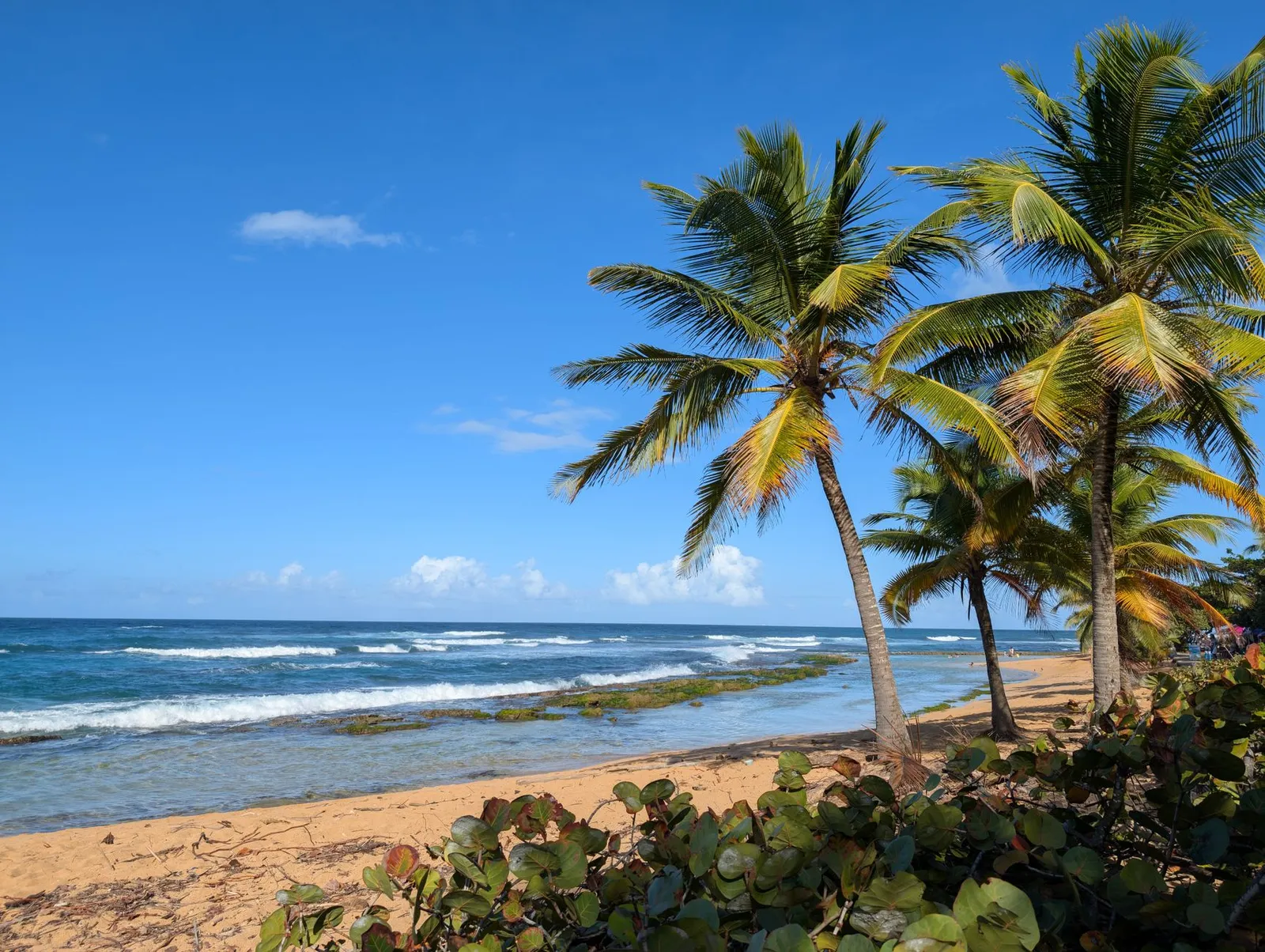
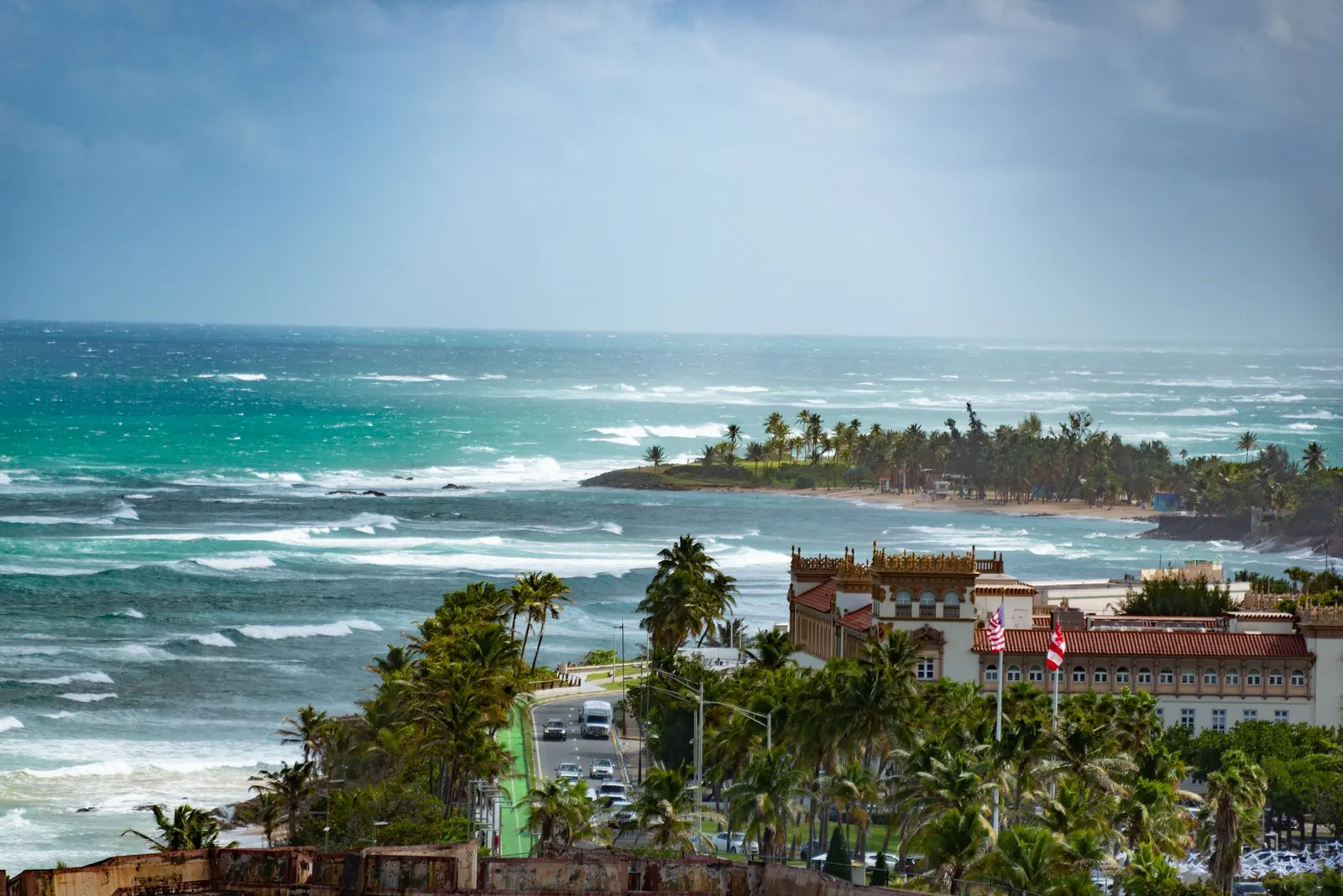
Puerto Rico has around 300 miles of coastline and the character changes completely as you go around it: Atlantic surf on the north, calm Caribbean water on the south, wild sand on the offshore islands. This is a coast-by-coast list with the practical notes — where there are lifeguards, where there is shade, and where the water is stronger than it looks.
First, how beaches work here
A balneario is a public beach run by the government, with lifeguards, changing rooms, showers, bathrooms and paid parking. They are the safest option with children and often the best value day out on the island. Everywhere else, assume no lifeguard.
All beaches in Puerto Rico are public to the high-water line, including the sand in front of hotels. Facilities are not — the difference matters when you are looking for a bathroom.
San Juan and the metro coast
- Balneario El Escambrón — the best swimming inside the city. A small sheltered cove with a reef that keeps the water calm, lifeguards, parking and snorkelling straight off the sand.
- Condado Beach — walkable from the restaurants of Ashford Avenue, beautiful, and genuinely rippy in places with no lifeguard. Swim where other people are swimming.
- Ocean Park — longer, sandier and more residential than Condado, with a kitesurfing crowd on windy days.
- Isla Verde — the wide beach on the strip, hotels behind it, calm swimming water most days.
- Balneario de Carolina — just east of the airport: shade, lifeguards, bathrooms and space. The easy answer with children.
If you want to walk to sand, Condado puts you closest. Our beach-adjacent homes are filtered by that on the stays pages.
The northeast
- Balneario Monserrate, Luquillo — a long, palm-backed crescent with calm water, full facilities and the kiosks beside it. One of the most family-friendly beaches on the island.
- La Pared, Luquillo — next door, and the opposite: a surf beach where the local shortboarders go when the north swell arrives.
- Seven Seas, Fajardo — sheltered, shallow and shaded, with camping and a balneario feel.
- Playa Escondida — a rougher, prettier cove near Seven Seas that takes a short walk to reach.
- Piñones — not really a swimming beach so much as a stretch of coast with kiosks, a bike path and windswept sand.
The offshore islands
This is where the postcard beaches are, and it is worth the ferry.
- Flamenco, Culebra — a mile-long horseshoe of pale sand and improbable water, with two rusted tanks left from the Navy era at the western end. There are kiosks, bathrooms and paid parking, and it still feels remote.
- Tamarindo and Carlos Rosario, Culebra — snorkelling beaches, with reef close in and green turtles that are used to people. Bring your own gear.
- Zoni, Culebra — long, wild and usually empty, on the eastern end of the island.
- Sun Bay (Sombé), Vieques — a huge crescent balneario with shade, facilities and wild horses grazing behind the sand.
- Playa Caracas and La Chiva, Vieques — inside the wildlife refuge, with marked parking bays and nothing else. La Chiva has the best snorkelling; both close at dusk.
The Vieques and Culebra guide covers the ferry booking, which is the hard part.
The west
- Crash Boat, Aguadilla — the old pier pilings, the boats, the jumping, and some of the clearest water on the west coast on a calm day.
- Domes, Maria’s and Sandy Beach, Rincón — the surf beaches. Winter swell makes them serious; summer often makes them swimmable.
- Steps Beach and Tres Palmas, Rincón — a marine reserve with elkhorn coral close to shore. Best snorkelling on the coast when it is flat.
- Jobos and Shacks, Isabela — reef-protected pools next to a surf break, and a favourite of families who want both.
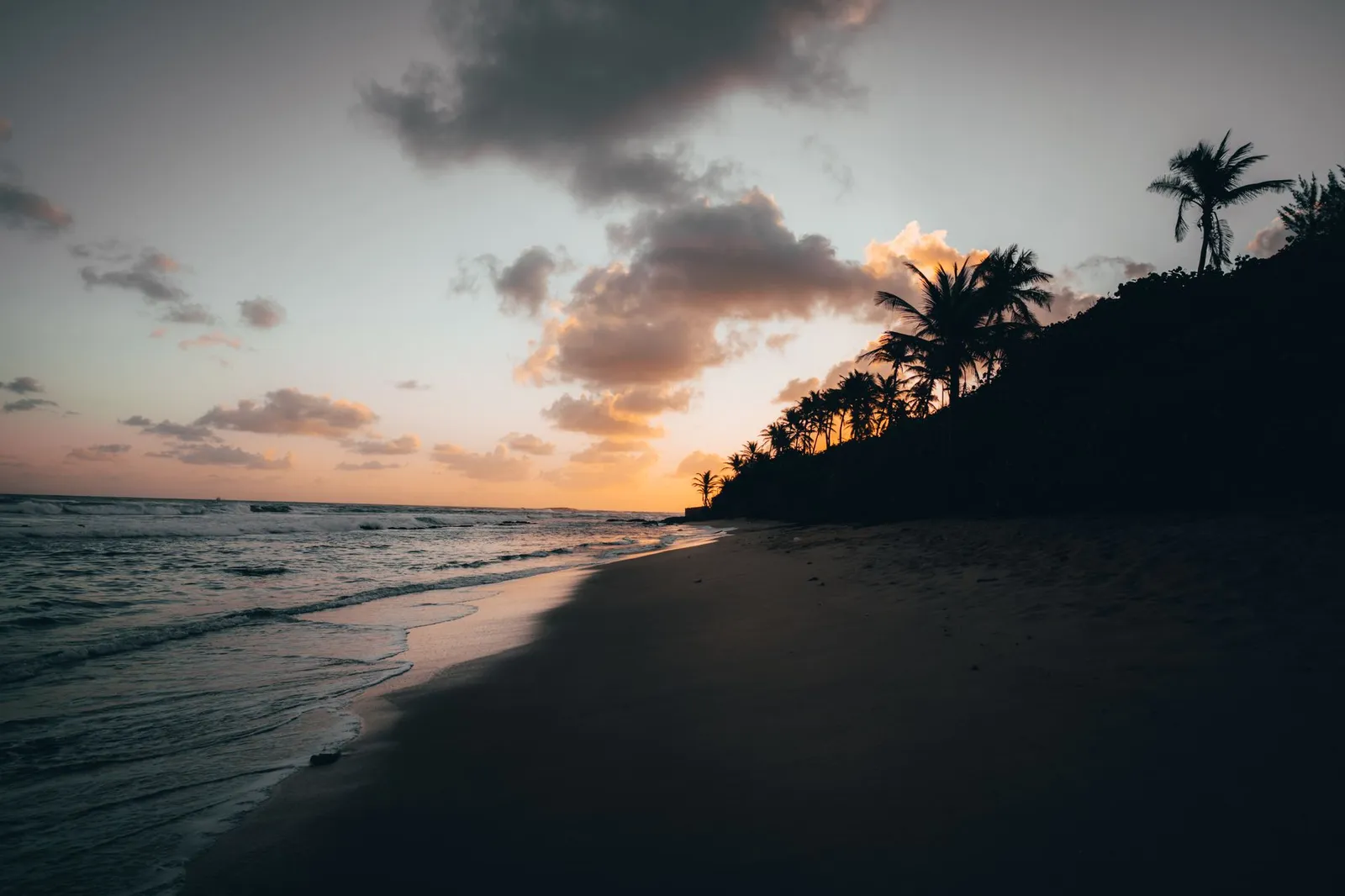
Sunsets are a west-coast property. If you are there in winter, scan the horizon: humpbacks pass between roughly January and March.
The southwest and south
- Playa Sucia / La Playuela, Cabo Rojo — a curve of sand under the cliffs at the island’s southwest corner, with Los Morrillos lighthouse above it and the pink salt flats on the drive in. No facilities, and worth it.
- Buyé, Cabo Rojo — calm, shallow, lined with sea grape trees for shade.
- Boquerón — a wide balneario in a sheltered bay, popular with local families.
- Gilligan’s Island (Cayo Aurora), Guánica — a mangrove cay reached by a short ferry, with shallow channels to float in.
- Caja de Muertos, Ponce — a nature reserve island with a lighthouse, reached by boat from La Guancha.
South-coast water is generally the calmest on the island, which makes this the right coast on a week when the north is blown out.
Practical notes people wish they knew
- Weekends belong to local families, especially at balnearios. Arrive early for parking; go on a weekday for space.
- Sargassum seaweed drifts onto east- and south-facing beaches in some months. It is seasonal and patchy — if one beach is covered, another around the headland often is not.
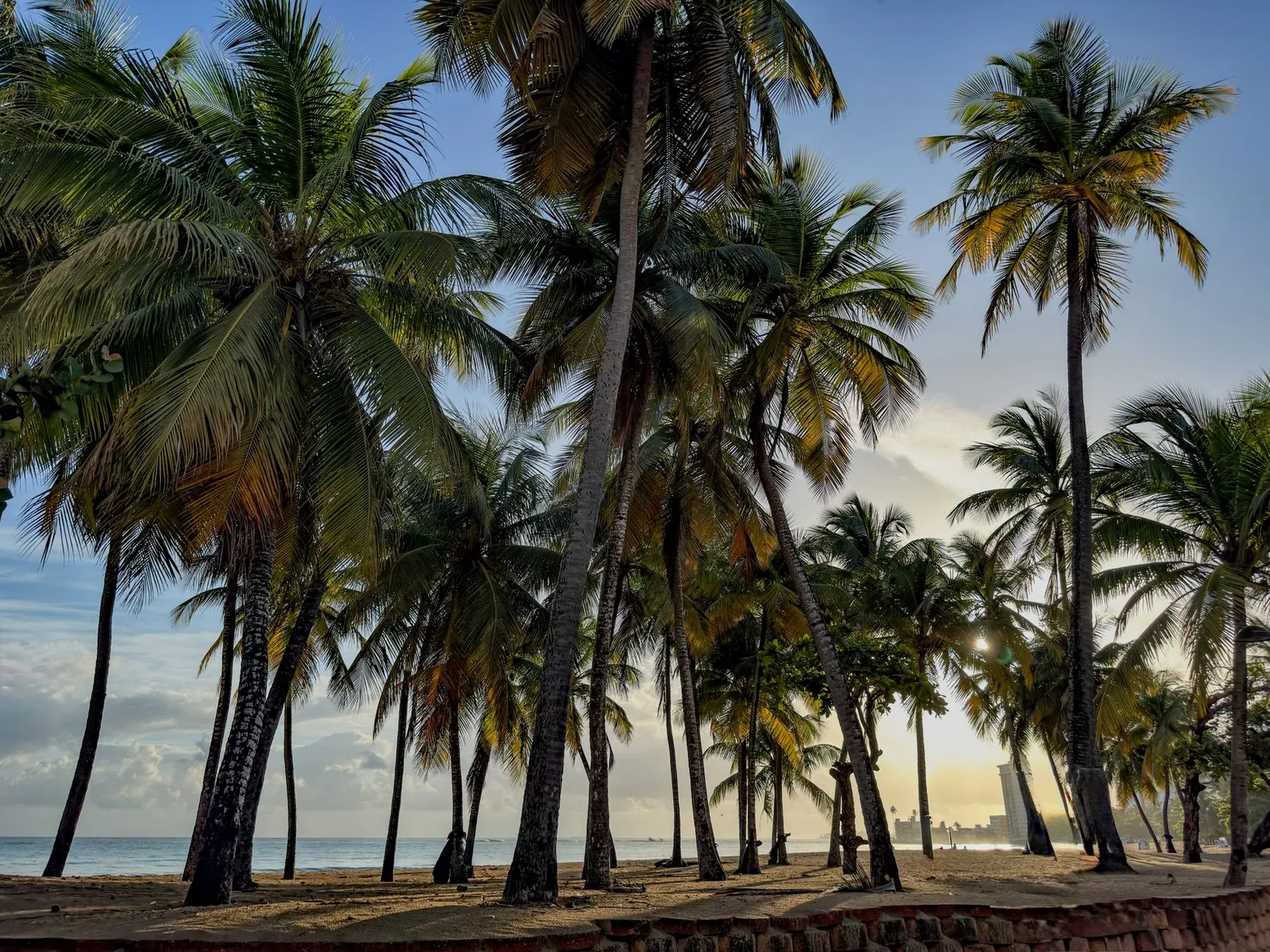
- Shade is not a given. Sea grape trees and palms are the only reliable cover on most beaches; a pop-up sunshade earns its space in the boot.
- Do not leave anything visible in a parked car at a trailhead or remote beach.
- Beaches inside the Vieques wildlife refuge close at dusk and the gates are locked. Leave time.
Snorkelling, specifically
The best snorkelling here is close to shore and needs no boat, provided the water is flat. Four places are worth planning around:
- Balneario El Escambrón, San Juan — a reef-sheltered cove with fish, rays and old structures on the bottom. The most convenient good snorkel on the island.
- Tres Palmas Marine Reserve, Rincón — elkhorn coral in shallow water, inside a protected reserve. Calm days only; the same reef is a serious surf break in winter.
- Carlos Rosario and Tamarindo, Culebra — reef and green turtles a short swim out, over a hill from Flamenco or straight off the road.
- La Chiva (Blue Beach), Vieques — a small cay offshore with reef on either side of it.
Bring your own mask: rental is unreliable at exactly the beaches where you want it. Check the swell before committing to a drive — the north and west coasts are glassy in summer and often unswimmable in winter, while the south coast stays calm most of the year.
Common questions
What is the best beach in Puerto Rico?
Flamenco on Culebra is the one that wins the international lists, and it deserves it. For a beach you can reach without a ferry, Playa Sucia in Cabo Rojo and Balneario Monserrate in Luquillo are the two people come back for.
Which beaches have lifeguards?
The balnearios — the government-run public beaches such as Escambrón, Carolina, Luquillo, Boquerón, Seven Seas and Sun Bay. Most other beaches, including Condado, have none.
Is the water calm enough for young children?
On the south and southwest coasts, usually. In the metro area, Escambrón and the Carolina balneario are the calmest. North-coast surf beaches in winter are not the place for it.
Where to stay
Homes near everything in this guide
Keep reading